• About
  • Donate!
  • EVENTS
  • Ottawa’s “Energy Evolution”: wind turbines coming to rural communities
  • Thinking of signing a wind turbine lease?
  • Wind Concerns Ontario
  • Wind turbines: what you need to know

Ottawa Wind Concerns

~ A safe environment for everyone

Ottawa Wind Concerns

Tag Archives: Renewable energy

How many birds do wind turbines kill?

11 Sunday Aug 2024

Posted by Ottawa Wind Concerns in Ottawa, Renewable energy, Uncategorized, Wind power

≈ 1 Comment

Tags

birds, climate change, energy, environment, Ottawa, Renewable energy, wildlife, wind energy, Wind power, wind turbines

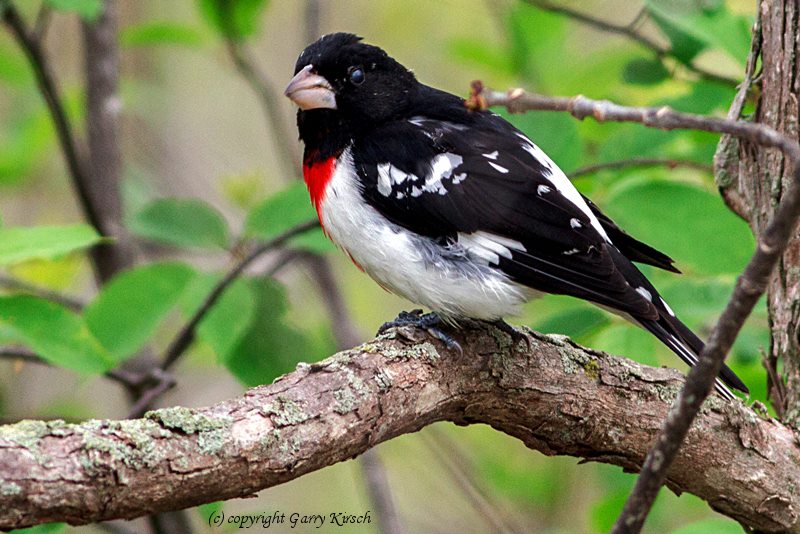
Nobody can say for sure … but it’s “far too many” says the American Bird Conservancy
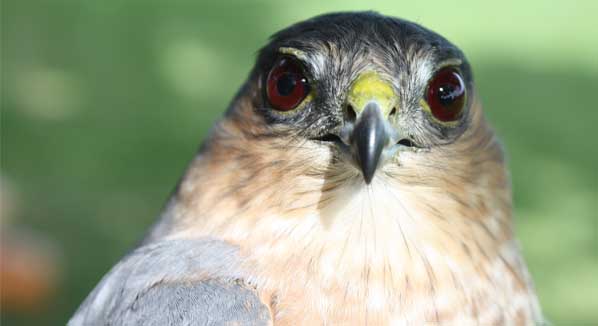
Raptors such as Red Tailed Hawks and eagles, critical to the eco-system, are killed by wind turbines (not cats)

Ottawa-based Community Association for Environmental Sustainability or CAFES, which describes itself as a “network of local environmental and climate leaders”, has undertaken a campaign against “climate misinformation.”

In a newsletter to followers this week, it has a list of topics it says are sources of misinformation, including “Wind turbines kill big numbers of birds and bats.”

“We don’t have to choose between wind energy and wildlife,” CAFES says. “We can have both.”

To support their claim they offer a number of research reports including —our favourite—an article that says keeping cats indoors will prevent bird deaths. Cats do kill birds, of course, and there are many factors behind the millions of birds killed in North America each year.

But wind turbines are not blameless, and the bird kill numbers are not insignificant. We offer this 2021 statement from the American Bird Conservancy:

“Countless studies have shown that climate change will cause far-reaching and devastating impacts to wildlife and humans alike. Renewable energy development is a critically important component of the transition away from fossil fuels, making our air cleaner and reversing the effects of climate change. Unfortunately, we have also learned that wind energy development has a substantial negative impact on birds.

“But just how many birds are killed by wind turbines?…

“Rather than going down the proverbial rabbit hole to decide which study might be the most accurate, let’s take the average of the results from these studies. This gives us an estimate of approximately 366,000 birds killed by wind turbines in the U.S. in 2012.

“It’s important to consider that wind energy capacity has grown considerably since then. The study by Loss and others reported that there were 44,577 turbines in operation in 2012, while the U.S. Wind Turbine Database indicates that there are 65,548 today — an increase of 47 percent. Adjusting for this industry growth, we can project that approximately 538,000 wind turbine-caused bird deaths occur in the U.S. each year.

“However, projecting mortality based on energy produced is more frequently used because it accounts for the size of turbines in addition to their numbers. The American Wind Energy Association reports that there were 60,067 megawatts (MW) of wind energy capacity in the U.S. in 2012, versus 111,808 as of this writing in 2021 — an 86-percent increase. Taking this change into account, it can be projected that approximately 681,000 birds are currently killed by wind turbines in the U.S. each year.

“These estimates likely underestimate the true extent of the problem due to the fact that many bird fatalities escape human detection.

“Consider that small songbirds are the most abundant birds in the U.S., and are the most frequently killed by turbines. A study published in March 2020 found that dogs located 1.6 and 2.7 times as many small bird fatalities as human monitors did at two wind sites in California. This was true even after attempting to correct for searcher detection error, which is a standard practice for such studies.

“The Erickson* study reported that 62.5 percent of the birds in their data set were small birds. Taking 62.5 percent of the 681,000 annual mortality estimate calculated above and adjusting this with the 1.6- and 2.7-fold multipliers from the dog search study (and adding the other 37.5 percent of birds back in), this would translate into a total of 936,000 and 1.4 million birds based on the numbers from the two sites. Averaging the two, this would suggest that 1.17 million birds are killed by wind turbines in the United States each year.

Indirect effects

“In addition to the bird fatalities discussed above, wind power projects also cause  important indirect effects that must be considered.

“For example, many wind facilities are located far from the existing power grid and require the construction of new powerlines, which are yet another source of bird mortality.

“In a 2014 study, researchers estimated that 25.5 million birds are killed each year due to collisions with powerlines, and another 5.6 million are killed by electrocutions. Therefore, powerlines built exclusively to connect new wind facilities to the existing energy grid result in additional bird mortalities that should be factored into the total toll in birds associated with wind energy development.

“Wind facilities also require relatively large areas of land. Facility development can fragment or otherwise alter habitat in ways that make it unsuitable for species that have historically been present. For example, a study at wind facilities in the Dakotas found displacement effects for seven of nine grassland bird species after one year. While these effects have been documented in various studies, they have yet to be broadly quantified.

“When the facts above are considered, it becomes clear that existing estimates of the toll of wind energy development on birds are narrowly considered and do not account for the industry’s full impact.

“It should be noted that the estimates above are imperfect, as they are based on studies derived from an incomplete data set.

“While most wind facilities are required to conduct bird surveys to inform project planning and post-construction bird mortality studies, they are unfortunately not always obligated to share their data, and many companies maintain a proprietary hold on this information. If these data were made publicly available, bird mortality could be better understood and conservation prescriptions could be tailored accordingly.   

“On a similarly important note, the species being negatively affected by wind turbines must be considered. Some species are more susceptible than others to collisions with wind turbines, and some have slower rates of reproduction and thus their populations may be more dramatically affected by losses. Some of our rarest and most iconic species, including California Condors and Marbled Murrelets, fit this bill and are at risk of collisions with wind turbines. Others like Whooping Cranes are losing habitat as a result of wind energy development.

“As noted above, our projections leave little doubt that the annual toll in birds lost to U.S. wind turbines is at least more than half a million, and a similarly conservative estimate would put that number at nearly 700,000 birds. There is a case to be made that the number could exceed 1 million. And for multiple reasons stated above, these are all likely to be under-estimates.

Far too many

“Regardless of the specifics, this is far too many when one considers the many other threats to birds on the landscape, and the massive declines we have already seen in our bird populations.

“What’s the solution to this conundrum? How do we continue to add wind turbines to fight climate change when this development is harming birds? Our answer: Bird-Smart Wind Energy. Smart wind energy development starts with good data collection and appropriate siting to avoid high-risk areas for birds. Available measures can then be incorporated to further minimize risks, and impacts should always be offset by solid on-the-ground mitigation measures.”

So, siting is important, says the American Bird Conservancy.

But that’s not what CAFES says—they want wind turbines, period. And if you are concerned about bird deaths from industrial wind power sites in the Ottawa area you are guilty of spreading “misinformation.”

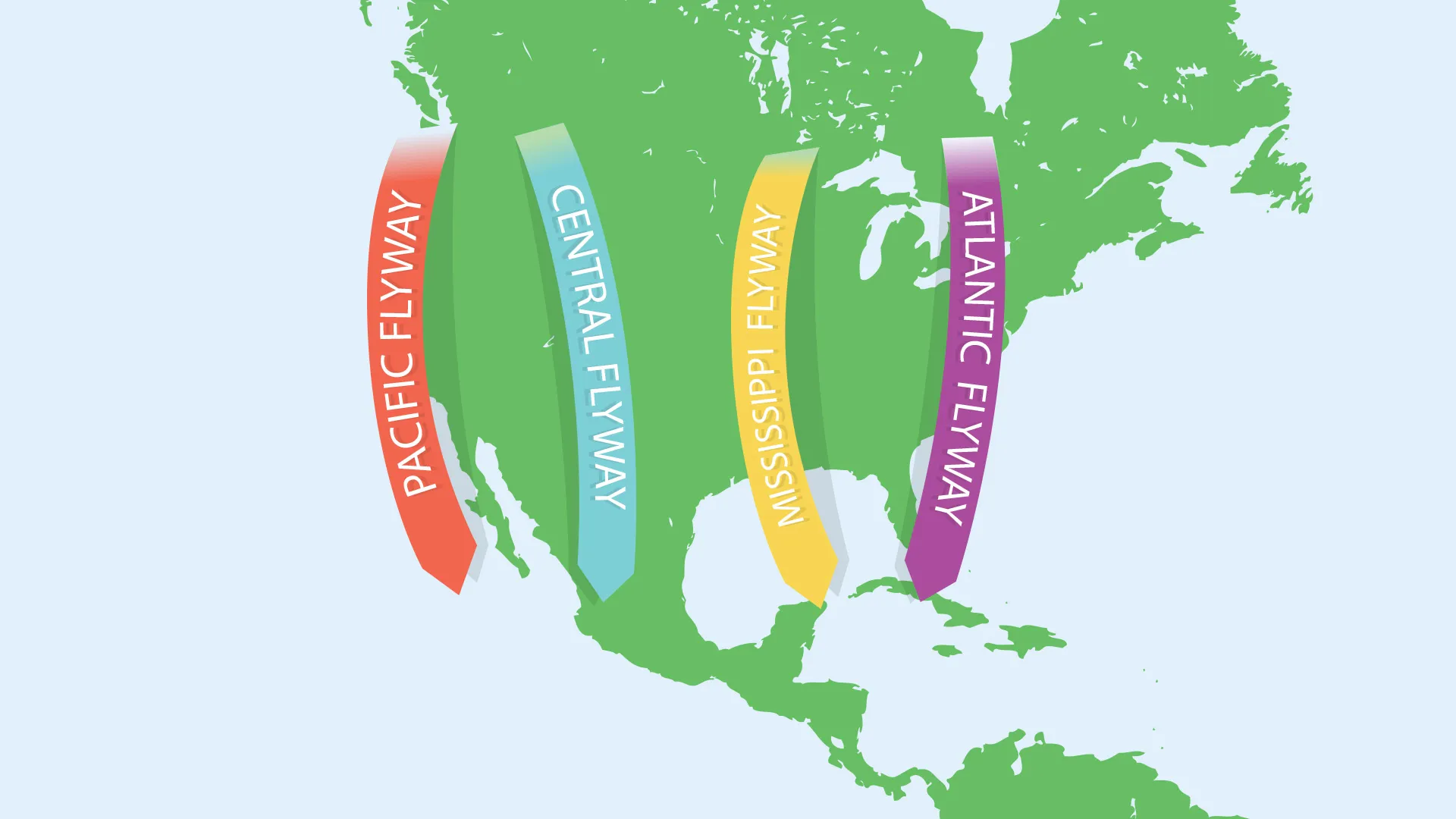
It’s worth noting here that the Ottawa area is on the Atlantic Flyway, a pathway for migrating birds.

Our question is, of course there are multiple causes for bird deaths, but why do you want to kill more?

In our view “environmental and climate leadership” would be looking for the best solutions, and doing a full risk-benefit analysis.

 Huge wind turbines in a migratory bird pathway is not the answer for protecting the environment, or dealing with climate change.

Ottawa Wind Concerns

ottawawindconcerns@gmail.com

A safe environment…for everyone

  • *A Comprehensive Analysis of Small-Passerine Fatalities from Collision with Turbines at Wind Energy Facilities, by Wallace P. Erickson , Melissa M. Wolfe, Kimberly J. Bay, Douglas H. Johnson, Joelle L. Gehring, in PLOS ONE, 2014 https://doi.org/10.1371/journal.pone.0107491
Wind power lobbyist opposes protection of prime agricultural land

12 Friday Apr 2024

Posted by Ottawa Wind Concerns in Ottawa, Renewable energy, Rural issues, Wind power

≈ 4 Comments

Tags

agriculture, climate change, environment, farming, IESO, Ontario, Ontario Ministry of Energy, prime agricultural, Renewable energy, Todd Smith, wind energy, wind farm, wind turbines

Farmland Trust warns that current use of prime agricultural land is “unsustainable” while wind power developers make threats if they don’t get access to it for power generation. And money. (Don’t forget the money.)

Berwick area farm: 29 huge industrial wind turbines now operate, despite community opposition [Photo D. Larsen]

The Independent Electricity System Operator or IESO is preparing to launch a new Request for Proposals in 2025, and is gearing up now with consultations for municipalities and stakeholders, prior to releasing final documents.

At issue is the policy of the Ontario government —and the City of Ottawa —that prime agricultural land must be protected.

The wind power industry sees this policy as an obstacle and is fighting back. With some success. In a recent IESO web event, a spokesperson said the question of protecting prime ag land is a topic of “active discussion” in government.

Meanwhile, the Canadian Renewable Energy Association, which is not an environmental organization but a trade association and lobbyist, had this to say in a comment to the IESO. (The emphasis is ours.)

“CanREA recommends that Ontario consider orienting agricultural land use policy in a manner similar
to Alberta’s recently announced ‘agriculture first’ approach for renewable energy project approvals.
This approach allows wind and solar generation on Class 1 and 2 lands if they can demonstrate that
they can co-exist with agriculture
.


“We believe that this is a sensible approach. CanREA’s law firm members who represent Ontario
farmers in negotiations with renewable energy developers describe numerous cases where siting of
renewable energy projects on agricultural lands has provided additional income to allow farmers to
stay on the land – making farming careers sustainable for them and their families.


“Should additional restrictions be imposed, renewable energy development would be forced into less
desirable areas with lower wind and solar potential, located further away from load centres. This
would result in system inefficiency, reduced levels of project investment and higher cost solutions for
Ontario ratepayers.”

Very clever wording on their part and not without active threats to the Ontario government, even going so far as to mention the association’s “law firm members.” Phrases like “additional restrictions” are meant to foreshadow legal action if CanREA doesn’t get what it wants, which is unfettered access to Ontario’s farmland for profit.

People want farm land protected

The lobbyist is out of step with Ontario’s citizens and the primacy of protecting our food supply. At a time when “eat local” echoes throughout the province, and the COVID experience of interrupted food supply is fresh in everyone’s mind, the protection of Ontario’s cropland is important.

The Ontario Farmland Trust has this warning for us:

“Every day in Ontario, we lose 319 acres of farmland to non-agricultural land uses like urban development and aggregate extraction; this rate of farmland loss is unsustainable and cannot be allowed to continue. Everyone in Ontario relies on agriculture, from the food we eat, to the jobs in our communities.Without strong protections in place for our farmland, we may not be able to provide enough food to feed our growing population.”

Wind power developers: we want the money

Several wind power developers lined up to file comments with the IESO too—any resemblance to the comments from CanREA are not accidental. Here is Capital Power.

“Broad, overarching limitations or restrictions for specific classifications of agricultural land or
technology types will likely limit the development of cost-effective projects in locations near existing
energy infrastructure. It will also result in a loss of potential non-agricultural income for farmers.
Capital Power submits that the appropriate use of land and potential impacts on agricultural use is
most effectively determined between landowners, developers, and through current project approval
processes. No further limitations, rated criteria, or other considerations needs to be considered for
LT-2 or potential projects.”

Translation: hands off our negotiations with farm owners.

Similarly, U.S.-based Invenergy commented:

“We would work with the landowners to minimize impact to
the land and form an agreement to return land to its
original state. Some projects may be able to allow for the
same productivity levels of the agricultural land like a wind
facility.”

Invenergy also said restricting prime agricultural land mean that municipalities would lose out on tax revenues from wind power projects. That is true but with the tax rates currently capped, the amount paid is a pittance in comparison to wind power operator profits, and would need to be assessed along with municipal costs such as the need for fire services, inspections, etc. It is not possible to return land fully to its “original state”—wind turbines require massive concrete and rebar foundations that cannot be removed.

Wind power developers also under-represent the amount of land used for wind turbines. At least one developer currently claims a turbine uses only 0.2 of an acre but obviously, this does not take into account access roads and other infrastructure.

You can read more industry comments here but make no mistake: they want that prime farm land and will do anything, and say anything to get it.

Take the survey!!!

25 Monday Mar 2024

Posted by Ottawa Wind Concerns in Ottawa, Renewable energy, Wind power

≈ Leave a comment

Tags

clarke kelly, david brown, George Darouze, Ottawa, Renewable energy, rural, wind turbines

Ottawa’s rural residents have a rare opportunity to express their views on city services and policies. (And there is a question on wind turbines, too!)

March 25, 2024

In advance of the 2024 Rural Summit, the City of Ottawa is offering a survey on issues and policies of interest to rural residents.

The City explains:

“In 2005, the City of Ottawa hosted a Rural Summit to address the results of the City’s Citizen Satisfaction Survey. This summit helped advance several successful initiatives in rural Ottawa. In 2008, another Rural Summit occurred, and this resulted in improved opportunities for rural residents. A Rural Summit has not occurred in over a decade due to the pandemic, a municipal election, and other priority projects. Recently, a new Official Plan was adopted, a Zoning By-law is being prepared, and the Rural Economic Strategy is being updated. In addition, the newly adopted City Strategic Plan supports stimulating growth in economic districts. These plans and regulations clearly impact rural Ottawa, and therefore it is an opportune time to consult with rural residents.

“At the City Council Meeting on December 14, 2022, Councillor Kelly brought forward a motion regarding the City of Ottawa hosting a Rural Summit. This motion noted that staff should be working to host the summit during the current term of council.

“The objective of Rural Summit 2024 is to recommend improvements to the provision of the City of Ottawa services to residents and communities of rural Ottawa.”

The survey is a mix of questions, and statements with which you can agree or disagree.

Of interest to many will be this statement:

Rural areas should be the primary location for wind turbines, waste management, solar farms and battery storage.

You are asked to agree or disagree on a scale of 1 to 5.

More to come

The City seems to be encouraging “engagement” before the Rural Summit—this is a good opportunity to express views as rural residents. More from the City:

“Your participation is crucial as it will help shape the content and focus of ward-specific workshops scheduled for this spring. These workshops will provide an opportunity for in-depth discussions on local issues and brainstorming solutions.

“The outcomes of these workshops will be integral in shaping the agenda for the Rural Summit 2024, slated for November. Your input will directly contribute to the development of strategies aimed at enhancing the well-being and prosperity of our rural communities.

“Your opinion matters, and we value your insights. Please take a few moments to complete the survey using the link provided below:

https://engage.ottawa.ca/embeds/projects/37643/survey-tools/45541

“In addition to the survey, Rural Workshops will take place in each of the rural wards in the hopes of to gain as much feedback as possible. These workshops will be in-person, are open to all residents of the respective ward, and we encourage all to attend.”

Please take this survey as soon as you can: our city needs to know rural residents are informed, and have opinions that matter.

Ottawa Wind Concerns

ottawawindconcerns@gmail.com

IESO announces intent to attract more wind power for Ontario

13 Wednesday Dec 2023

Posted by Ottawa Wind Concerns in Ottawa, Renewable energy, Wind power

≈ 1 Comment

Tags

clean energy, energy poverty, IESO, Ottawa wind concerns, Renewable energy, solar power, Todd Smith, Wind Concerns Ontario, wind energy, wind power, Wind power, wind turbines

New procurement announced, but difference from Green Energy Act is that municipalities now have final say in approvals of siting for projects, and can create bylaws for siting

Turbines and transformer station at Nation Rise wind power plant [submitted photo]

December 12, 2023

Reposted from Wind Concerns Ontario

Ontario’s Independent Electricity System Operator or IESO has announced that it plans another round of procurement for new power generation, which will include “non-emitting” generation such as wind, solar, hydro and bioenergy.

The announcement also states that IESO will look at “options options to re-acquire, upgrade, or expand existing facilities”.

The news release came on the eve of the deadline for the most recent procurement initiative which, the IESO says, was intended to increase capacity. The next round will attract  “new supply will help meet the province’s overall energy needs, according to IESO CEO Lesley Gallinger.

A report in the Toronto Star framed the announcement as the Ford government doing an “about-face” on earlier policies about wind and solar. The Star said that Minister of Energy Todd Smith stated in a speech earlier this week that the Ford government approach would be different.

“Smith was quick to contrast this new round of renewable energy from the previous build out that took place under Liberal governments,” the Star said.

Wind and Green Energy Act was ‘fiasco’

“When we talk about this much renewables, many minds are immediately going to turn to the absolute fiasco that was the Liberal’s Green Energy Act … when wind and solar projects were forced on unwilling host communities,” he said, according to the Star.

“We’re doing it differently by competitively procuring these resources. Based on system need, we can deliver these projects for much lower costs. In fact, the IESO’s report today confirmed that we could get wind and solar for far less than the Liberals (did).”

The Star said “Smith highlighted how the Progressive Conservative approach of competitive procurement has already resulted in recontracting existing generation at 30 per cent below what was being paid before. The IESO estimates the next round of wind contracts will go for less than half of what the province paid in the mid 2000s.”

Wind Concerns Ontario president Jane Wilson* expressed concern over the announcement.

“Everyone knows there has been nothing but problems with Ontario’s wind power fleet,” she explains. “Not only is wind an intermittent, unreliable source of power but it has also caused problems for many of the communities that were forced to ‘host’ these industrial power installations. They produce noise and vibration, and have had other environmental impacts such as disturbing local aquifers and affecting water supply. We know from tracking internal government documents created since 2006 that there are literally thousands of files of noise complaints. And, unfortunately, there are still, after all these years, wind power projects that do not have final audits completed verifying their compliance with regulations. That’s not acceptable.”

Any effects from wind turbines are regulated by the Ministry of Environment, Conservation and Parks. Regulations which include setbacks between wind turbines and homes as well as noise limits, have not been revised since they were created after the Green Energy Act in 2009.

Wind Concerns Ontario says experiences with wind turbines around the world indicate it is past time to review and revise the regulations.

Power is in municipalities’ hands

A critical difference between the current PC government and the previous Green Energy program, Wind Concerns says, is that support from the local municipality is required for renewable energy projects.  Municipalities also have been given back the power to pass zoning by-laws that regulate how turbines are sited in their communities.

These energy policies place Ontario’s municipal Councils at the centre of energy policy debates moving forward.

“At the end of the day, as citizens, taxpayers and ratepayers, we question the value of wind as a reliable source of power,” Wilson says. “Everyone wants to do the right thing for the climate and the environment—intermittent, invasive wind power that effectively industrializes communities, isn’t it.”

contact@windconcernsontario.ca

ottawawindconcerns@gmail.com

*Jane Wilson is also Chair of Ottawa Wind Concerns

What’s your reaction?
Newer posts →

Recent Posts

  • Leiper vows “full implementation” of $57-B Energy Evolution plan
  • Time to get real about wind power in Ontario
  • The stats tell the story: wind doesn’t work
  • Wind power locally: reliably unreliable
  • Has Ottawa lost its focus on city priorities?

Follow me on Twitter

My Tweets

Enter your email address to follow this blog and receive notifications of new posts by email.

Tags

Bob Chiarelli Green Energy Act IESO Ontario Ottawa Ottawa wind concerns wind energy wind farm wind power wind turbines

Contact us

PO Box 3 North Gower ON K0A 2T0

Blog at WordPress.com.

Privacy & Cookies: This site uses cookies. By continuing to use this website, you agree to their use.
To find out more, including how to control cookies, see here: Cookie Policy
  • Subscribe Subscribed
    Ottawa Wind Concerns
    Join 376 other subscribers

    Have a WordPress.com account? Log in now.

  • Ottawa Wind Concerns
    View site in Reader
    Manage subscriptionsSign upLog in
    Report this content
    Collapse this bar
Loading Comments...