• About
  • Donate!
  • EVENTS
  • Ottawa’s “Energy Evolution”: wind turbines coming to rural communities
  • Thinking of signing a wind turbine lease?
  • Wind Concerns Ontario
  • Wind turbines: what you need to know

Ottawa Wind Concerns

~ A safe environment for everyone

Ottawa Wind Concerns

Tag Archives: Ottawa

Ottawa Valley towns on list of 155 Ontario “unwilling hosts” to new wind power sites

14 Tuesday May 2024

Posted by Ottawa Wind Concerns in Uncategorized

≈ 1 Comment

Tags

CTV LOndon, environment, IESO, Multi MUnicipal Energy Working Group, noise, Ottawa, Ottawa wind concerns, Scott MIller, Wind Concerns Ontario, wind turbines
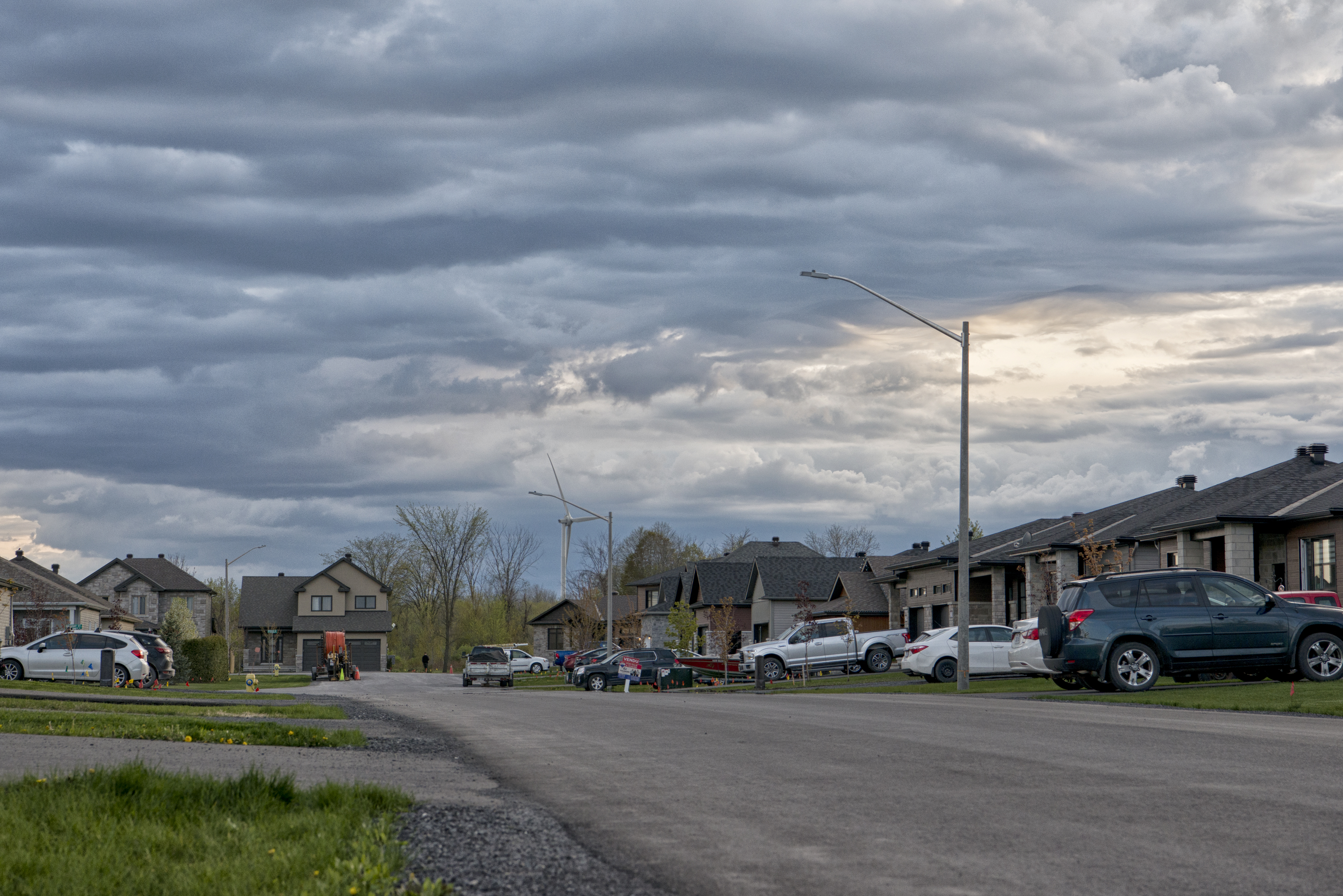
Nothing has changed, says Tom Allwood, Grey Highlands Councillor and Chair of Ontario’s Multi Municipal Energy Working Groups. Noise limits and setbacks are the same–unacceptable, say municipalities

May 14, 2024

CTV News London published a story last week on the 155 Ontario municipalities that have now passed formal resolutions designating themselves as “unwilling hosts” to new industrial wind power sites.

The list of Unwilling Hosts was compiled by Wind Concerns Ontario, a community group coalition concerned about the impacts of industrial wind turbines.

There are several Unwilling Hosts in the Ottawa area including Merrickville-Wolford, Champlain, The Nation in Prescott-Russell, Bonnechere Valley, East Hawkesbury, Greater Madawaska, and North Grenville (Kemptville).

CTV News published the news story featuring interviews with Tom Allwood, councillor for Grey Highlands and chair of the Multi Municipal Energy Working Group, and Jane Wilson, president of Wind Concerns Ontario and chair of Ottawa Wind Concerns.

See the news story link for a video report.

CTV News London

Scott MIller

Ontario is looking to add more renewable energy to its electricity supply, which will likely mean more wind turbines going up across the province.

However, that might be prove difficult with so many municipalities no longer interested in wind.

“I like to say it’s not 2009 anymore. We know a lot more about wind power than we did in 2009. It was supposed to bring lots of jobs. That turned out not to be true. It was going to be a reliable source of power. That turned out not to be true. It was supposed to be cheap power. Not true. Our electricity bills went up 250 per cent after the turbines went up,” said Jane Wilson, founder of Wind Concerns Ontario.

There are 155 Ontario municipalities that have said they are not willing to host wind turbine projects, now or in the future.

Among them, many municipalities in Huron, Bruce, and Grey Counties, where many of the province’s 2,600 turbines are currently spinning.

“The first iteration of wind turbines through the Green Energy Act just took away many siting decisions from municipalities, so that upset a lot of people,” said Grey Highland Coun. and Chair of the Multi Municipal Energy Working Group Tom Allwood.

Ontario’s Independent Electricity System Operator (IESO) has plans to add roughly 5,000 MW of wind, hydro, solar, and biomass energy by 2030. There’s currently 5,500 MW of wind turbines built in Ontario today.

“The federal government is certainly looking towards thousands of new wind turbines. Where are they going to go? The spots that have good wind have been taken,” said Allwood.

But not everyone is sour about the IESO’s renewable renewal. Wind energy is just what Ontario needs, said Jack Gibbons from Ontario’s Clean Air Alliance.

“If we integrate our wind and solar with Quebec’s storage option, then we can convert wind and solar into a firm 24/7 source of baseload electricity for Ontario,” he said.

However, Wilson believes wind energy, as it’s currently implemented, should not be of Ontario’s future energy mix.

“It’s intermittent. It comes in the fall and spring when we don’t really need it. It comes in the night, when we really don’t need it. There are some better choices and cleaner choices. Wind energy is not as clean and green as we were told it was,” said Wilson.

“They haven’t done anything with the setbacks for this round of procurement. They’ve gone out and arranged contracts for battery energy storage, and there’s real concerns about these systems as part of wind generation,” said Allwood.

IESO is seeking proposals for new renewable energy projects this fall.

#UnwillingHost

ottawawindconcerns@gmail.com

Get ready for Ottawa’s Rural Summit!

04 Thursday Apr 2024

Posted by Ottawa Wind Concerns in Ottawa, Renewable energy, Rural issues

≈ Leave a comment

Tags

Ottawa, Ottawa wind concerns, rural, rural summit, wind turbines

The City has just posted dates for Ottawa’s rural communities to participate in the Rural Summit, a special opportunity to discuss issues of concern to rural residents.

Here are the dates and locations for the drop-in sessions and events:

The following in-person workshops are planned:

  • April 10 at 7 pm – Ward 19 workshop at Navan Memorial Centre and Arena (1295 Colonial Road)
  • April 19 at 7 pm – Ward 19 workshop at Sarsfield Community Hall (3585 Sarsfield Road). Bilingual workshop to be conducted primarily in French.
  • April 24 at 7 pm – Ward 20 workshop at Greely Community Centre (1448 Meadow Drive)
  • April 29 at 6:30 pm – Ward 21 workshop at Alfred Taylor Recreation Center (2300 Community Way). There will also be a drop-in session between 1 and 4 pm.
  • May 27 at 7 pm – Ward 1 workshop at R.J. Kennedy Community Centre and Arena (1115 Dunning Road)
  • June 1 at 9 am – Ward 5 workshop at West Carleton Community Complex (5670 Carp Road)

These workshops will help identify the challenges facing rural communities and highlight potential opportunities that could be addressed at the summit. All consultations and outreach will inform the agenda for Rural Summit 2024.

Take the survey

There is also a survey to gather info on issues of concern. The link to the survey is here:

https://engage.ottawa.ca/rural-summit-2024

(There is a question on wind turbines–be sure to answer!)

It’s a great idea to subscribe to get updates on the Summit too. Just use the link above for the survey, to find the SUBSCRIBE button, on the right (or at the bottom if on your smart phone)

ottawawindconcerns@gmail.com

Take the survey!!!

25 Monday Mar 2024

Posted by Ottawa Wind Concerns in Ottawa, Renewable energy, Wind power

≈ Leave a comment

Tags

clarke kelly, david brown, George Darouze, Ottawa, Renewable energy, rural, wind turbines

Ottawa’s rural residents have a rare opportunity to express their views on city services and policies. (And there is a question on wind turbines, too!)

March 25, 2024

In advance of the 2024 Rural Summit, the City of Ottawa is offering a survey on issues and policies of interest to rural residents.

The City explains:

“In 2005, the City of Ottawa hosted a Rural Summit to address the results of the City’s Citizen Satisfaction Survey. This summit helped advance several successful initiatives in rural Ottawa. In 2008, another Rural Summit occurred, and this resulted in improved opportunities for rural residents. A Rural Summit has not occurred in over a decade due to the pandemic, a municipal election, and other priority projects. Recently, a new Official Plan was adopted, a Zoning By-law is being prepared, and the Rural Economic Strategy is being updated. In addition, the newly adopted City Strategic Plan supports stimulating growth in economic districts. These plans and regulations clearly impact rural Ottawa, and therefore it is an opportune time to consult with rural residents.

“At the City Council Meeting on December 14, 2022, Councillor Kelly brought forward a motion regarding the City of Ottawa hosting a Rural Summit. This motion noted that staff should be working to host the summit during the current term of council.

“The objective of Rural Summit 2024 is to recommend improvements to the provision of the City of Ottawa services to residents and communities of rural Ottawa.”

The survey is a mix of questions, and statements with which you can agree or disagree.

Of interest to many will be this statement:

Rural areas should be the primary location for wind turbines, waste management, solar farms and battery storage.

You are asked to agree or disagree on a scale of 1 to 5.

More to come

The City seems to be encouraging “engagement” before the Rural Summit—this is a good opportunity to express views as rural residents. More from the City:

“Your participation is crucial as it will help shape the content and focus of ward-specific workshops scheduled for this spring. These workshops will provide an opportunity for in-depth discussions on local issues and brainstorming solutions.

“The outcomes of these workshops will be integral in shaping the agenda for the Rural Summit 2024, slated for November. Your input will directly contribute to the development of strategies aimed at enhancing the well-being and prosperity of our rural communities.

“Your opinion matters, and we value your insights. Please take a few moments to complete the survey using the link provided below:

https://engage.ottawa.ca/embeds/projects/37643/survey-tools/45541

“In addition to the survey, Rural Workshops will take place in each of the rural wards in the hopes of to gain as much feedback as possible. These workshops will be in-person, are open to all residents of the respective ward, and we encourage all to attend.”

Please take this survey as soon as you can: our city needs to know rural residents are informed, and have opinions that matter.

Ottawa Wind Concerns

ottawawindconcerns@gmail.com

Community discussions marred by NIMBY insults in Ottawa

05 Tuesday Dec 2023

Posted by Ottawa Wind Concerns in Uncategorized

≈ 1 Comment

Tags

Battery storage, BESS, George Darouze, IESO, lithium battery fires, NIMBY, ONtario Landowners, Ottawa, Ottawa Wind Concerns Ottawa

Ottawa’s rural residents were concerned about proposals for huge battery storage installations. They didn’t get answers to their questions about risks and impacts—for that, they got called NIMBY [Photo: D. Larsen]

December 5, 2023

During the discussions about proposals for Battery Energy Storage Systems or BESS last week, it was disappointing to see the “NIMBY” insult being employed, especially by so-called environmentalists and community leaders.

One is a “Director of Emotional Health” for a community association, who thought it was perfectly healthy and supportive to brand her fellow West Carleton residents as “NIMBYs” just for expressing concern about the environment, health and the safety of cropland.

The NIMBY epithet was so prevalent in presentations to Ottawa’s Agricultural and Rural Affairs Committee (ARAC) that ARAC chair George Darouze said “We are not NIMBYs” and then went on with an elegant and important discussion of how rural residents are concerned about environmental impact for not just rural communities but for all of Ottawa.

He said rural residents were especially “sensitive” to environmental issues, which is why they had questions about the battery proposals.

Using the NIMBY insult says a lot about you

The term NIMBY is not just an insult to those who are concerned about a particular type of development, it also speaks volumes about the people who use it.

Environmental lawyer McRoberts:

To urban-based environmentalists, resistance to wind and solar farms is often seen as nothing more than Not in My Backyard attitudes (NIMBYism), and turbine opponent concerns are trivialised. … [M]any communities opposed to these projects have genuine concerns about impacts on environmental integrity, viewscapes, food production, and social fabric. … Moreover, the supposed “NIMBY syndrome” has been criticised by environmental justice scholars and others as an oversimplification of opposition that more accurately is based on a complex mix of factors including perceptions about a lack of procedural and distributive justice in approval processes. (McRobert, D., Tennent-Riddell, J. and Walker, C. (2016) Ontario’s Green Economy and Green Energy Act: Why a Well-Intentioned Law Is Mired in Controversy and Opposed by Rural Communities. Renewable Energy Law and Policy, 7, 99.)

So what were people who live in Ottawa’s rural wards worried about? Mainly environmental concerns, specifically from the risk of fire in a battery storage unit, and pollution from chemicals and water. They were also worried about noise and light pollution, and they had concerns about the proposed locations The battery storage installations would be an industrial land use, yet in many of the proposals were to be located near homes.

The risk of fire was not addressed satisfactorily by the proponents at the public meetings which, people felt, were rushed and held without wider notice.

The technology is new and there simply was not enough time to learn about it, or to get answers to very important questions about the risk of fire. At the ARAC meeting November 30, the leaders of 

Ottawa Fire Services said that the fire risk is a concern for fire services across Ontario. The Ontario Fire Marshal will release a report but it is not available yet — nevertheless, residents and municipal governments were expected to grant support in spite of questions about that risk.

Battery storage: myth or solution?

What are the battery installations supposed to do, anyway?

Shirley Dolan, appearing at ARAC as a Director with the Ontario Landowners Association, said that there had been no cost-benefit analysis presented for any battery storage proposal. In short, she said, there was no rationale for the installations, no explanation of costs or other impacts, no details beyond basic claims that the batteries would provide power during outages, and no reasons given for the locations proposed.

The claim that the batteries are needed for power outages warrants examination.

If we lose power as the result of a storm, the usual cause is damage to electricity infrastructure such as downed power lines. That was confirmed by Hydro One’s CEO earlier this year. So, if we have power lines or other features such as transformers damaged and not functional, the power (maximum of FOUR HOURS, by the way, not days) still cannot reach our homes.

So, again: what is the benefit? Where is the cost-benefit analysis to support these proposals?

NIMBY? or objection to a flawed process?

People in communities where battery storage was proposed said they were interested in the concept of the technology, but were concerned about the process created by the IESO. There was little opportunity for public input, as the comments and questions from the public at the proponent meetings don’t go anywhere and are not recorded—no response is necessary from the proponent. As Mr. Darouze pointed out, the process was rushed and provided very little information to both the public and the municipal government, which was expected to evaluate the proposals and grant support.

He said, correctly, that the city’s own assessment process is far more rigorous for any type of development than is required by the IESO. That is not acceptable, many thought.

As McRoberts wrote, what might be branded as NIMBYism is a concern about justice in procedural and approval processes. Much has been written about the public engagement process for energy development in Ontario, and the conclusion is that it has been seriously flawed. Two Auditors General in Ontario said that any energy proposal ought to have a cost-benefit analysis done: this has never happened, and is still not being done.

In his paper, “NIMBYs are not the problem”, Ottawa professor Stewart Fast wrote:

“If conflict is to be minimized and decisions given greater legitimacy, the public must be involved in the process. Unfortunately, Ontario’s approach to building wind generators and other renewable energy projects has ignored this tenet. Instead of more public participation, there has been less. … The approach was designed in the conviction that Ontario’s citizens were not to be trusted, and that anyone opposing wind energy was simply in the grip of NIMBYism. … Policy-makers must realize that not all citizens are selfish NIMBYs.” (Stewart Fast, Policy Options, IRPP.org, 2017)

The way forward in my view is to provide the public and our elected representatives with all the facts we all need to make a responsible, informed decision. One Rideau Lakes resident told Ottawa Wind Concerns, “Last week, I never even heard of BESS. This week, I’m going to meetings and writing letters!” (The project there has been withdrawn in the face of public opposition.)

Battery storage technology on grid-scale is relatively new and already there have been problems. A worldwide database documenting battery fires and failures lists more than 80 events so far. Battery storage developers say there is low risk, but not no risk.

Ottawa Fire Services told ARAC that there is no option but to let a battery fire burn while working to keep other equipment cool and to keep the fire from spreading.

Meanwhile, the emissions from battery fires include carbon monoxide, hydrogen fluoride, hydrogen chloride, and corrosive nitrogen dioxide. But to the “environmentalists”, their citizen neighbours and fellow rural residents who are concerned about these emissions are NIMBYs?

We ask, if the people and organizations who claim to want to help with climate change and protect the environment do NOT support protection of health, safety, and sanctity of the ecosystem, what IS their agenda?

ottawawindconcerns@gmail.com


Ottawa councillor on battery storage: better consultation needed, time to evaluate

17 Friday Nov 2023

Posted by Ottawa Wind Concerns in Uncategorized

≈ 1 Comment

Tags

Battery storage, BESS, clarke kelly, environment, fire, IESO, Ottawa

November 17, 2023

West Carleton Ward 5 Councillor Clarke Kelly has published his ward newsletter with a reasonable, well thought out comment on the Battery Energy Storage System (BESS) proposals now before the City of Ottawa.

An excerpt:

Battery Energy Storage Systems (BESS) 

There has been much talk in our community about Battery Energy Storage Systems, commonly called BESS. Over the last several weeks, I have been made aware of 3 different proposals situated in Ward 5 being brought forward to the IESO for consideration. As I have mentioned in previous statements, I am not opposed to the use of this technology. In fact, I believe that electricity storage will be vital in strengthening our power grid and essential to diversifying our energy sources through renewable energy sources. Last spring, I brought forward a motion that passed and did provide municipal support for a BESS system in our ward. However, the size of that proposed system was very small, being placed at a site that already had a small solar farm, no trees were being cut down, the proponent held multiple public meetings, and no concerns were raised amongst residents in the area. Given its minimal size, the good consultation work undertaken by the applicant, and the lack of public concern, I thought it was an excellent opportunity to see how these systems work and gauge the risks on a small scale.

The applications we are currently looking at are due in early December, yet the applicants waited until the last several weeks to engage with the public. One of the applicants has not held a public meeting or had any communication with my office, so they certainly are not getting my support. The result of these poor consultation decisions is that we are basically out of time to address the numerous and legitimate concerns in a real and meaningful way. At recent meetings, the community had some basic questions around fire safety, direct benefits to the community, the effect on wildlife and wetlands on or around the property in question, and end of life plans for the units. I don’t believe the answers provided had the level of detail, clarity, or certainty required to gain public support and put concerns at ease.

As I have stated, I am not fundamentally opposed to these systems and think the idea of storing power overnight when demand is low and using it during peak demand instead of selling it to the US at a loss is a good idea. But, I also place a lot of value on public consultation and respect for the community in which these companies wish to operate, and given that this technology is relatively new and that there have been serious documented challenges with these projects around the world, my expectation would be that consultation would be meaningful and respectful. In one case, the application hasn’t bothered at all, and in the other two, they clearly missed the mark when it comes to engaging the community and ensuring their concerns are addressed.

I really would like to support one of these projects as I believe in the idea and see the need. I also believe these companies should have come to the table six months ago to be able to answer questions in a detailed fashion and be prepared to present the necessary information and solutions ready to put in place. Many of these groups had not engaged with the Ottawa Fire Services before presenting to the public, and fire is a genuine concern with this technology. They also were astoundingly unable to explain to the community what they were getting in return for having this in their neighborhood or even how the tax uplift would work, given that the site would be taking up only a portion of privately held land. To put it bluntly, all three applicants were unprepared to address the concerns and questions of the community, which gives the sense that public consultation as an aspect of these projects is just a box to tick as part of their standard process. That’s not good enough for the people of West Carleton-March, and any company wishing to get our community’s support, or support from me as Councillor in the future, will come to the community much earlier and much more prepared; otherwise, they can expect the same response.

Not all of the feedback I have gotten about these systems has been negative, and I will soon be meeting with a group of people in our ward who support these systems. I look forward to that and future conversations with the community on how and where we can make these work. I will be supporting a Municipal Support Resolution for a BESS system close to the Trail Road Landfill Site in Ward 21, as will the ward councillor. Residents in that ward feel that it is an appropriate place for a system such as this, particularly in the early days of this technology when comprehensive solutions to the challenges they pose are still being refined and perfected.

So the Councillor is saying, the community has not been given enough time to evaluate the benefits and risks of these projects, and that while we might want to support them, we are simply now “out of time.” Note too that the Councillor echoes the advice we posted earlier this week, when economist Robert Lyman said Ontario needs to pilot a few battery storage projects to see how well they work, how much they cost, and how we can manage any risks associated with them.

Ottawa energy economist on battery storage: we need to know how much it costs

14 Tuesday Nov 2023

Posted by Ottawa Wind Concerns in Uncategorized

≈ 3 Comments

Tags

Battery storage, BESS, electricity bills Ontario, energy costs, IESO, noise, Ottawa, Robert Lyman, rural

And whether it will work. The Ottawa area has four active Battery Energy Storage proposals. But nobody knows whether BESS will do what the proponents say it will

November 14, 2023

The idea of Battery Energy Storage Systems or BESS has hit so fast, people don’t know what to make of it…and that’s the problem for proponents. (Most of whom are current and former wind power developers.)

There simply are not enough details about these projects from the technology used, to the risk of fire and other environmental hazards, noise, and impact on communities. That’s what proponents are hearing at the mandatory “community engagement” meetings held in rural Ottawa.

A big question is the cost, and whether these multi-million-dollar projects will be worth the price to Ontario’s electricity consumers. Proponents are currently vying for contracts with the Ontario Independent Electricity System Operator or IESO. Submissions are due December 12.

When wind and solar were being marketed as the solution to climate change, two Ontario Auditors General recommended to the McGuinty-Wynne governments that cost-benefit analyses should be done.

But it never was.

And now, here we go again.

Ottawa energy economist Robert Lyman says figures from the U.S. show that battery storage will be expensive, no question.

How much?

And at the moment, batteries can only provide power for a few hours at most. So, do they even work?

Here’s his comment:

Any plan to power an electrical grid with wind and solar generation and to eliminate the backup security of supply provided by fossil fuels like coal and natural gas must address the cost and feasibility of the battery storage needed. 

The only battery storage technology that is widely available for grid scale storage is lithium-ion. The US federal government’s National Renewable Energy Laboratory produces periodic reports on the current and projected costs of utility-scale batteries of the lithium-ion type. The most recent edition, from June 2021, gives the current average cost as approximately US $350 per kilowatt-hour. It projects declining costs over time, but those projections are speculative and do not recognize the actual trends in recent battery costs. For example, in 2020-2021, the average costs for lithium ion battery installations in New York state was US$464/kwh and in 2022, the price for contracts actually awarded increased to US$567/kwh.

Storage is extremely expensive and if generally used will drive up electricity costs significantly. They are by far the largest part of the costs of an electricity system that relies upon wind and solar generation for essential supplies. They also give rise to the need for much more transmission facilities, which also adds to the costs, although these costs are rarely if ever made public in advance. 

Lithium-ion batteries provide backup capacity for relatively short periods, usually measured in hours. However, variations in the demand for and supply of electricity due to weather or other events can occur over periods of days, weeks or even whole seasons. Lithium-ion batteries are incapable of providing such service yet, “long duration” battery technologies do not yet exist and are still at the research or pilot project stage.  

The system-wide addition of lithium-ion batteries could increase electricity bills by up to 20 times depending on how much storage is needed. Research on possible long-duration batteries is at the earliest stages, and nobody has any idea what, if any, technology might work or how much it might cost. 

 Before the province of Ontario starts building several battery-storage plants, it might be a good idea to build one pilot to find out if the darn thing works and is affordable.

–Robert Lyman, Ottawa

ottawawindconcerns@gmail.com

The City of Ottawa thinks you don’t care

21 Thursday Sep 2023

Posted by Ottawa Wind Concerns in Uncategorized

≈ 4 Comments

Tags

noise, Ottawa, pollution, rural, wildlife, wind energy, wind turbines, zoning bylaws

City “engagement page” has low sign-up rate for updates on new zoning bylaws for renewable energy projects, despite important issues involved

New regulations will determine setback distances between power generation and homes, for example. [Turbines at Nation Rise project, south of Ottawa.]

September 21, 2023

The City of Ottawa decided to allow for the construction of new power projects to provide “renewable energy” in its new Official Plan. And the next step, is to create new zoning bylaws for that kind of development. The bylaws will provide regulations for things like noise, for example, or setbacks between power projects and homes for safety and health.

The City has an “engagement” page where people can follow along with information and activities on a variety of projects. For the renewable energy file however, as of this morning, there were only SEVEN people subscribed to get email updates.

Seven.

7.

That is strange considering “renewable energy” could mean grid-scale wind turbines which do produce environmental noise, and do present risks such as ice throw from the giant blades, and killing of wildlife such as birds and bats. Construction/operation has been known to disturb aquifers or the groundwater, affecting the water supply for people on wells.

All that is really important and you’d think more people would be interested.

By this afternoon, more than 50 people had subscribed once we emailed people on our list, but still, more people should sign up.

The new bylaws are due out any moment now: staff told the Agricultural and Rural Affairs Committee back in June that draft bylaws might be ready by August or September. August is gone and September is almost gone too.

Why not sign up today, and keep informed on the City’s work on these bylaws. They will affect everyone, especially rural residents where such power generation projects are likely to be located.

Sign up HERE.

Want join our email list? ottawawindconcerns@gmail.com

Alberta’s wind power moratorium: halting the “Gold Rush”

09 Wednesday Aug 2023

Posted by Ottawa Wind Concerns in Uncategorized

≈ 1 Comment

Tags

adverse health effects wind turbines, Alberta moratorium, environment, noise, Ottawa, pollution

Turbine blades at Johnstown, destined for Nation Rise power project: land use conflicts a concern (The little white thing in the left corner is a truck, for scale)

August 9, 2023

The Province of Alberta announced a moratorium on approvals for wind and solar power generation facilities recently, citing concerns about the environment and land use conflicts.

Almost immediately, the wind and solar lobbyist, the Canadian Renewable Energy Association, came out with a comment that the move was a “mistake.“

Of course it is… for the wind and solar developers. It is curious indeed that while the main marketing ploy for the purveyors of expensive, intermittent and unreliable power is to help tackle climate change and save the environment, when people say they have concerns about industrialization by wind power on the environment, the lobbyist denies concerns.

Well, OK, they didn’t exactly: what they said instead was, the moratorium would undermine “investor confidence.” In other words, the whole wind power gambit could be revealed for what it is: a money-making strategy that will have little or no effect on climate change or the environment.

And citizens in Alberta are not buying the hype.

In an article today in the Edmonton Journal, Alberta residents are describing the fast pace to wind power development as a “Gold Rush”, and they are concerned about the impact of industrial wind power projects on the environment, and electricity bills.

Unlike the wind power rush in Ontario in 2009, when nobody knew anything about the potential impact of sky-high noisy wind turbines, the people in Alberta know exactly what’s coming. “Rural residents have been down this polluted path before,” said one.

“It’s no surprise that country folks are buzzing just now with anxiety, anger and unanswered questions about the boom in solar and wind farms near their homes,” says the Edmonton Journal.

A particular concern for rural Albertans is, what happens when nobody has any use for the power generation structures? Who will take the things down and return the land to its former state?

That’s an issue that has yet to be resolved in Ontario, too.

So while the lobbyist and the developers and the faux environmentalist organizations cry about the fact a government is slowing things down, once again, it’s the people who know the truth: nobody wants to live near a wind turbine.

And they don’t want to pay through the nose for the intermittent power, either.

Ottawa’s rural residents should watch this closely, as we wait for the City to come up with new zoning bylaws for renewable power projects, which may be released in draft form this month or next. It’s important that governments acknowledge all the facts about wind power in particular, and do proper analysis of all the benefits and impacts.

Nobody needs another wind power Gold Rush.

ottawawindconcerns@gmail.com

Renewable energy amendment passed by Ottawa City Council

12 Wednesday Jul 2023

Posted by Ottawa Wind Concerns in Health, Ottawa, Renewable energy, Wind power

≈ 1 Comment

Tags

Health, noise, noise pollution, Ottawa, Ottawa wind concerns, rural, safety, wind turbines

user
Renewable energy projects are an industrial land use, and people must be protected from noise and other impacts, says Ottawa Wind Concerns [Photo: D. Larsen for Wind Concerns Ontario]
July 12, 2023

Ottawa City Council today passed an amendment to the Official Plan, that will not allow for new renewable energy projects to get municipal approval until after the City has new zoning bylaws appropriate to that land use.

Municipal approval is now mandatory for successful proposals to the Independent Electricity System Operator (IESO). The IESO is launching another Request for Proposals in a few months, and will begin another RFP in 2025, as Ontario plans to double its power supply with “clean” emissions–free sources of generation.

“This is a step forward,” says Ottawa Wind Concerns Chair Jane Wilson. “We were concerned that proposals might come forward in the 2023 RFPs and there would be no protection for rural residents from noise emissions and other impacts of wind and solar power projects, which are an industrial land use. The City of Ottawa has clearly shown that they are aware of the need to protect health and safety as they move forward with new zoning bylaws.”

Municipal approval is mandatory and with the repeal of the Green Energy Act in 2018, planning powers removed by the McGuinty government were returned to municipalities—that means they can determine setback distances, noise limits, and other regulations to control development. A key concern for Ottawa is the protection of valuable agricultural land.

As regards the risk of noise pollution and other impacts such as danger from fires, turbine collapse and ice throw, City staff have said they want to “do the right thing.”

Following approval of the proposed amendment at last week’s meeting of the Agricultural and Rural Affairs Committee, a spokesperson for a local group spoke out against it, saying there was no reason to slow down renewable energy proposals. Angela Keller-Herzog of Community Associations for Environmental Sustainability was quoted by the CBC as saying we need battery energy storage systems for example during power outages so “our kids” can do their homework.

According the hydro authorities, the major cause of power outages is damage to transmission lines, which prevents power from any source reaching homes.

“It is interesting when ‘environmental’ groups appear not to actually care about protecting the environment,” says Ottawa Wind Concerns’ Wilson, who is a Registered Nurse.

“Our concern is to ensure that health and safety are protected so that families can live in peace and safety in Ottawa’s rural communities.”

The amendment states in part:

This report is an interim step towards regulating renewable energy generation facilities in accordance with policies in the Official Plan which direct renewable energy generation facilities that require provincial approval to certain rural designations. Once the amendments proposed in this report come into effect, renewable energy generation facilities will not be permitted in any zone until such time as a subsequent report is approved with appropriate provisions to regulate such facilities.

Ottawa Wind Concerns’ input was noted in the report, with the statement that we will be kept informed of any developments.

Also on the Agenda at Ottawa City Council was the submission of the petitions sponsored by Ottawa Wind Concerns, asking for a minimum 2-km setback between any wind turbines proposed, and homes, as well as other land uses where people might be affected.

City staff noted that there are no proposals known for power development (but a battery storage project is in development  https://evolugen.com/facilities/rabbit-battery/   in Cumberland) but with a series of Requests for Proposal coming from the IESO, anything is possible.

Ontario’s Energy Minister Todd Smith recently made several announcements, namely new nuclear at Bruce and Darlington, and a new plan called Powering Ontario’s Growth. (Read the news release and see links here: https://news.ontario.ca/en/release/1003253/province-launches-plan-to-power-ontarios-growth)

ottawawindconcerns@gmail.com

Ottawa Wind Concerns is an incorporated, not-for-profit group, with a membership list of several hundred residents of rural Ottawa communities and other stakeholders. We are a community group member of the Wind Concerns Ontario coalition.Our goal: a safe environment…for everyone

Sign our online petition for 2 km turbine setbacks, now

09 Friday Jun 2023

Posted by Ottawa Wind Concerns in Health, Ottawa, Renewable energy, Wind power

≈ Leave a comment

Tags

noise, Official Plan, Ottawa, pollution, setbacks, wind turbines, zoning

June 9,2023

We’ve added an online petition to our campaign to ask the City of Ottawa to create safe, protective setbacks between industrial wind turbines and homes in Ottawa’s “rural countryside.”

Sign today.

Share the link with friends, neighbours and family!

The petition is available here: https://chng.it/YnSQrWJW

← Older posts
Newer posts →

Recent Posts

  • Pro-wind groups in Ottawa collaborate to “educate”
  • Thinking of signing for a wind turbine lease? Better get informed to protect yourself
  • High-Speed Rail opposition in Rural Eastern Ontario: a lesson for wind power developers
  • Land use conflict prompts citizen legal action over West Carleton battery storage site
  • Energy Minister Stephen Lecce speaks out on renewable power sources wind and solar; emphasizes cost, reliability

Follow me on Twitter

My Tweets

Enter your email address to follow this blog and receive notifications of new posts by email.

Tags

Bob Chiarelli Green Energy Act IESO Ontario Ottawa Ottawa wind concerns wind energy wind farm wind power wind turbines

Contact us

PO Box 3 North Gower ON K0A 2T0

Create a free website or blog at WordPress.com.

Privacy & Cookies: This site uses cookies. By continuing to use this website, you agree to their use.
To find out more, including how to control cookies, see here: Cookie Policy
  • Subscribe Subscribed
    • Ottawa Wind Concerns
    • Join 380 other subscribers
    • Already have a WordPress.com account? Log in now.
    • Ottawa Wind Concerns
    • Subscribe Subscribed
    • Sign up
    • Log in
    • Report this content
    • View site in Reader
    • Manage subscriptions
    • Collapse this bar
 

Loading Comments...