Experience with existing industrial wind power sites and community opposition to expensive, unreliable power generation leads rural municipalities to say NO
December 10, 2024
One of the many effects of the Green Energy and Green Economy Act passed in 2009 by the McGuinty government to give wind and solar power developers an advantage was the removal of local land use planning powers from municipalities.
Today, that authority has been restored by the repeal of the Act (which altered 20 other pieces of legislation), and now, a Municipal Support Resolution is required by the Independent Electricity System Operator or IESO before any power generation contract can be awarded.
In 2013, in protest against the carpeting of rural Ontario with industrial wind turbines against community wishes, municipalities across the province began passing resolutions declaring themselves to be “Unwilling Hosts” to new industrial wind power sites. The first was Wainfleet, spearheaded by then Mayor April Jeffs, and others quickly followed.
Today, there are 157 Unwilling Host municipalities.
What’s interesting is the fact that most already have operating wind power sites, or they are neighbours to active projects, so they are well aware of the negative impacts.
In Eastern Ontario, several municipalities are now Unwilling Hosts following the 2016 approval of the “Nation Rise” industrial wind power project in North Stormont, and in Renfrew County after there was a spate of wind power proposals. To the south east, Prince Edward County is an Unwilling Host after fighting off at least three wind power projects, and where residents spent more than $1.5 million on appeals and court challenges.
Wind Concerns Ontario recently developed a map of Unwilling Host communities that is a graphic demonstration of the dissatisfaction of municipalities with wind power development, and the fact that after 16 years, the Ontario government has not updated noise or setback regulations. Environmental noise pollution has been a problem for a number of industrial wind power sites.
The IESO is planning a new Request For Proposals, probably coming in January (more details will be revealed in an IESO event this Thursday) but municipalities remain unhappy, as indicated in communications to the IESO during “engagement.” Part of the process is an Agricultural Impact Assessment that must be reviewed and approved by any municipality dealing with proposals for new wind power.
Municipalities say they don’t have the time or the resources to deal with these assessments. And, the timing is not appropriate: a proponent can file a cursory Agricultural Impact Assessment or AIA at the time of proposal and request for a Municipal Support Resolution but a full assessment does not really have to be done until 18 months after the company gets a contract.
That’s still not enough time, said a planner from Oxford County in the IESO November 21 event: there are just too many pieces of these assessments to be looked at. The process may not “align” with reality, she said.
Nobody can say for sure … but it’s “far too many” says the American Bird Conservancy
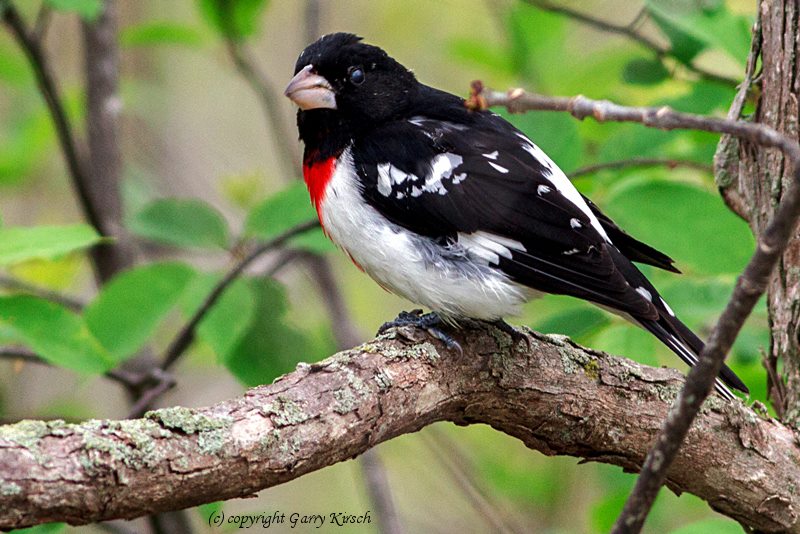
Raptors such as Red Tailed Hawks and eagles, critical to the eco-system, are killed by wind turbines (not cats)
Ottawa-based Community Association for Environmental Sustainability or CAFES, which describes itself as a “network of local environmental and climate leaders”, has undertaken a campaign against “climate misinformation.”
In a newsletter to followers this week, it has a list of topics it says are sources of misinformation, including “Wind turbines kill big numbers of birds and bats.”
“We don’t have to choose between wind energy and wildlife,” CAFES says. “We can have both.”
To support their claim they offer a number of research reports including —our favourite—an article that says keeping cats indoors will prevent bird deaths. Cats do kill birds, of course, and there are many factors behind the millions of birds killed in North America each year.
But wind turbines are not blameless, and the bird kill numbers are not insignificant. We offer this 2021 statement from the American Bird Conservancy:
“Countless studies have shown that climate change will cause far-reaching and devastating impacts to wildlife and humans alike. Renewable energy development is a critically important component of the transition away from fossil fuels, making our air cleaner and reversing the effects of climate change. Unfortunately, we have also learned that wind energy development has a substantial negative impact on birds.
“But just how many birds are killed by wind turbines?…
“Rather than going down the proverbial rabbit hole to decide which study might be the most accurate, let’s take the average of the results from these studies. This gives us an estimate of approximately 366,000 birds killed by wind turbines in the U.S. in 2012.
“It’s important to consider that wind energy capacity has grown considerably since then. The study by Loss and others reported that there were 44,577 turbines in operation in 2012, while the U.S. Wind Turbine Database indicates that there are 65,548 today — an increase of 47 percent. Adjusting for this industry growth, we can project that approximately 538,000 wind turbine-caused bird deaths occur in the U.S. each year.
“However, projecting mortality based on energy produced is more frequently used because it accounts for the size of turbines in addition to their numbers. The American Wind Energy Association reports that there were 60,067 megawatts (MW) of wind energy capacity in the U.S. in 2012, versus 111,808 as of this writing in 2021 — an 86-percent increase. Taking this change into account, it can be projected that approximately 681,000 birds are currently killed by wind turbines in the U.S. each year.
“These estimates likely underestimate the true extent of the problem due to the fact thatmany bird fatalities escape human detection.
“Consider that small songbirds are the most abundant birds in the U.S., and are the most frequently killed by turbines. A study published in March 2020 found that dogs located 1.6 and 2.7 times as many small bird fatalities as human monitors did at two wind sites in California. This was true even after attempting to correct for searcher detection error, which is a standard practice for such studies.
“The Erickson* study reported that 62.5 percent of the birds in their data set were small birds. Taking 62.5 percent of the 681,000 annual mortality estimate calculated above and adjusting this with the 1.6- and 2.7-fold multipliers from the dog search study (and adding the other 37.5 percent of birds back in), this would translate into a total of 936,000 and 1.4 million birds based on the numbers from the two sites. Averaging the two, this would suggest that 1.17 million birds are killed by wind turbines in the United Stateseach year.
Indirect effects
“In addition to the bird fatalities discussed above, wind power projects also cause important indirect effects that must be considered.
“For example, many wind facilities are located far from the existing power grid and require the construction of new powerlines, which are yet another source of bird mortality.
“In a 2014 study, researchers estimated that 25.5 million birds are killed each year due to collisions with powerlines, and another 5.6 million are killed by electrocutions. Therefore, powerlines built exclusively to connect new wind facilities to the existing energy grid result in additional bird mortalities that should be factored into the total toll in birds associated with wind energy development.
“Wind facilities also require relatively large areas of land. Facility development can fragment or otherwise alter habitat in ways that make it unsuitable for species that have historically been present. For example, a study at wind facilities in the Dakotas found displacement effects for seven of nine grassland bird species after one year. While these effects have been documented in various studies, they have yet to be broadly quantified.
“When the facts above are considered, it becomes clear that existing estimates of the toll of wind energy development on birds are narrowly considered and do not account for the industry’s full impact.
“It should be noted that the estimates above are imperfect, as they are based on studies derived from an incomplete data set.
“While most wind facilities are required to conduct bird surveys to inform project planning and post-construction bird mortality studies, they are unfortunately not always obligated to share their data, and many companies maintain a proprietary hold on this information. If these data were made publicly available, bird mortality could be better understood and conservation prescriptions could be tailored accordingly.
“On a similarly important note, the species being negatively affected by wind turbines must be considered. Some species are more susceptible than others to collisions with wind turbines, and some have slower rates of reproduction and thus their populations may be more dramatically affected by losses. Some of our rarest and most iconic species, including California Condors and Marbled Murrelets, fit this bill and are at risk of collisions with wind turbines. Others like Whooping Cranes are losing habitat as a result of wind energy development.
“As noted above, our projections leave little doubt that the annual toll in birds lost to U.S. wind turbines is at least more than half a million, and a similarly conservative estimate would put that number at nearly 700,000 birds. There is a case to be made that the number could exceed 1 million. And for multiple reasons stated above, these are all likely to be under-estimates.
Far too many
“Regardless of the specifics, this is far too many when one considers the many other threats to birds on the landscape, and the massive declines we have already seen in our bird populations.
“What’s the solution to this conundrum? How do we continue to add wind turbines to fight climate change when this development is harming birds? Our answer: Bird-Smart Wind Energy. Smart wind energy development starts with good data collection and appropriate siting to avoid high-risk areas for birds. Available measures can then be incorporated to further minimize risks, and impacts should always be offset by solid on-the-ground mitigation measures.”
So, siting is important, says the American Bird Conservancy.
But that’s not what CAFES says—they want wind turbines, period. And if you are concerned about bird deaths from industrial wind power sites in the Ottawa area you are guilty of spreading “misinformation.”
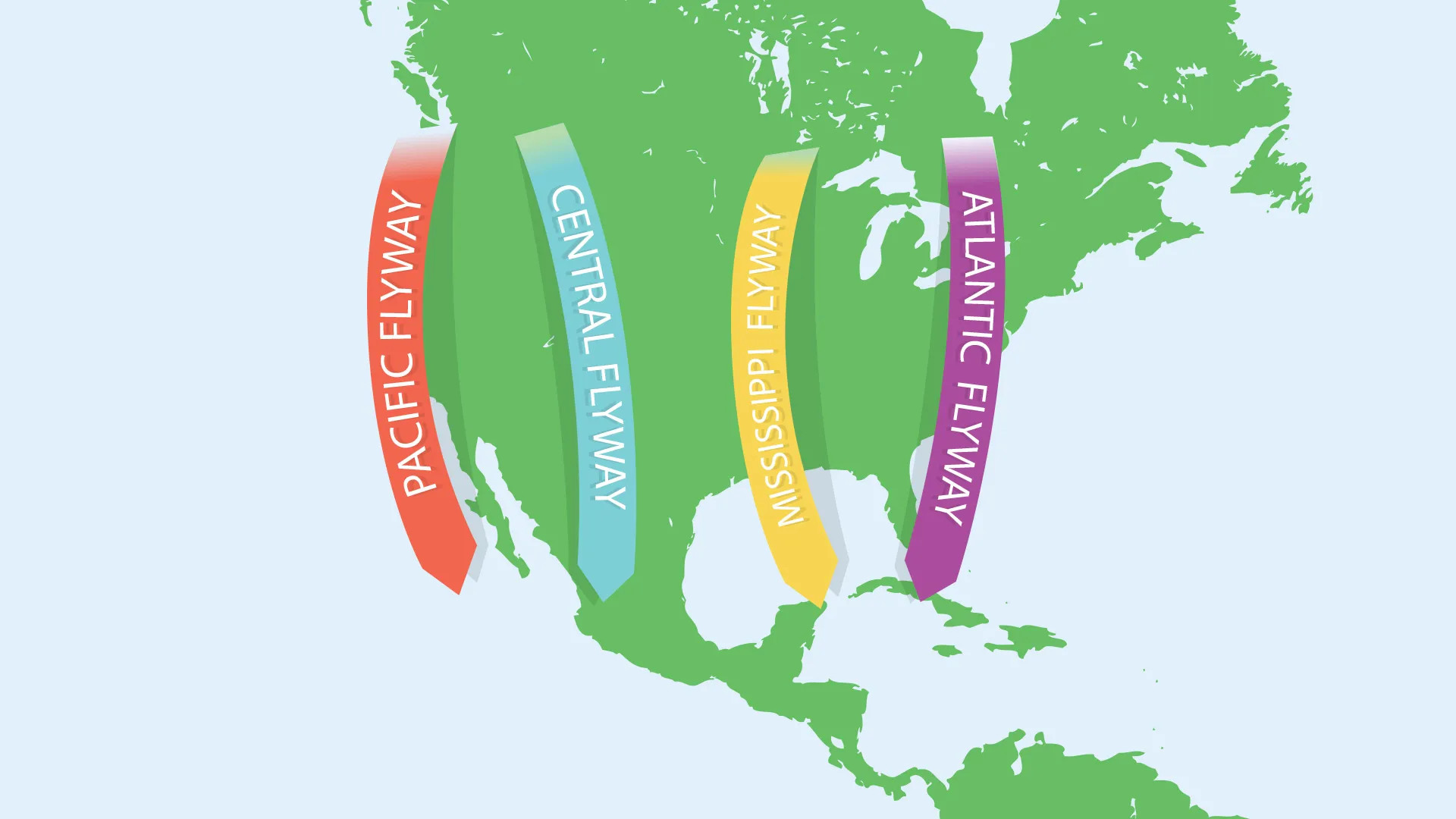
It’s worth noting here that the Ottawa area is on the Atlantic Flyway, a pathway for migrating birds.
Our question is, of course there are multiple causes for bird deaths, but why do you want to kill more?
In our view “environmental and climate leadership” would be looking for the best solutions, and doing a full risk-benefit analysis.
Huge wind turbines in a migratory bird pathway is not the answer for protecting the environment, or dealing with climate change.
*A Comprehensive Analysis of Small-Passerine Fatalities from Collision with Turbines at Wind Energy Facilities, by Wallace P. Erickson , Melissa M. Wolfe, Kimberly J. Bay, Douglas H. Johnson, Joelle L. Gehring, in PLOS ONE, 2014 https://doi.org/10.1371/journal.pone.0107491
Nothing has changed, says Tom Allwood, Grey Highlands Councillor and Chair of Ontario’s Multi Municipal Energy Working Groups. Noise limits and setbacks are the same–unacceptable, say municipalities
May 14, 2024
CTV News London published a story last week on the 155 Ontario municipalities that have now passed formal resolutions designating themselves as “unwilling hosts” to new industrial wind power sites.
The list of Unwilling Hosts was compiled by Wind Concerns Ontario, a community group coalition concerned about the impacts of industrial wind turbines.
There are several Unwilling Hosts in the Ottawa area including Merrickville-Wolford, Champlain, The Nation in Prescott-Russell, Bonnechere Valley, East Hawkesbury, Greater Madawaska, and North Grenville (Kemptville).
CTV News published the news story featuring interviews with Tom Allwood, councillor for Grey Highlands and chair of the Multi Municipal Energy Working Group, and Jane Wilson, president of Wind Concerns Ontario and chair of Ottawa Wind Concerns.
Ontario is looking to add more renewable energy to its electricity supply, which will likely mean more wind turbines going up across the province.
However, that might be prove difficult with so many municipalities no longer interested in wind.
“I like to say it’s not 2009 anymore. We know a lot more about wind power than we did in 2009. It was supposed to bring lots of jobs. That turned out not to be true. It was going to be a reliable source of power. That turned out not to be true. It was supposed to be cheap power. Not true. Our electricity bills went up 250 per cent after the turbines went up,” said Jane Wilson, founder of Wind Concerns Ontario.
There are 155 Ontario municipalities that have said they are not willing to host wind turbine projects, now or in the future.
Among them, many municipalities in Huron, Bruce, and Grey Counties, where many of the province’s 2,600 turbines are currently spinning.
“The first iteration of wind turbines through the Green Energy Act just took away many siting decisions from municipalities, so that upset a lot of people,” said Grey Highland Coun. and Chair of the Multi Municipal Energy Working Group Tom Allwood.
Ontario’s Independent Electricity System Operator (IESO) has plans to add roughly 5,000 MW of wind, hydro, solar, and biomass energy by 2030. There’s currently 5,500 MW of wind turbines built in Ontario today.
“The federal government is certainly looking towards thousands of new wind turbines. Where are they going to go? The spots that have good wind have been taken,” said Allwood.
But not everyone is sour about the IESO’s renewable renewal. Wind energy is just what Ontario needs, said Jack Gibbons from Ontario’s Clean Air Alliance.
“If we integrate our wind and solar with Quebec’s storage option, then we can convert wind and solar into a firm 24/7 source of baseload electricity for Ontario,” he said.
However, Wilson believes wind energy, as it’s currently implemented, should not be of Ontario’s future energy mix.
“It’s intermittent. It comes in the fall and spring when we don’t really need it. It comes in the night, when we really don’t need it. There are some better choices and cleaner choices. Wind energy is not as clean and green as we were told it was,” said Wilson.
“They haven’t done anything with the setbacks for this round of procurement. They’ve gone out and arranged contracts for battery energy storage, and there’s real concerns about these systems as part of wind generation,” said Allwood.
IESO is seeking proposals for new renewable energy projects this fall.
Farmland Trust warns that current use of prime agricultural land is “unsustainable” while wind power developers make threats if they don’t get access to it for power generation.And money.(Don’t forget the money.)
Berwick area farm: 29 huge industrial wind turbines now operate, despite community opposition [Photo D. Larsen]
The Independent Electricity System Operator or IESO is preparing to launch a new Request for Proposals in 2025, and is gearing up now with consultations for municipalities and stakeholders, prior to releasing final documents.
At issue is the policy of the Ontario government —and the City of Ottawa —that prime agricultural land must be protected.
The wind power industry sees this policy as an obstacle and is fighting back. With some success. In a recent IESO web event, a spokesperson said the question of protecting prime ag land is a topic of “active discussion” in government.
Meanwhile, the Canadian Renewable Energy Association, which is not an environmental organization but a trade association and lobbyist, had this to say in a comment to the IESO. (The emphasis is ours.)
“CanREA recommends that Ontario consider orienting agricultural land use policy in a manner similar to Alberta’s recently announced ‘agriculture first’ approach for renewable energy project approvals. This approach allows wind and solar generation on Class 1 and 2 lands if they can demonstrate that they can co-exist with agriculture.
“We believe that this is a sensible approach. CanREA’s law firm members who represent Ontario farmers in negotiations with renewable energy developers describe numerous cases where siting of renewable energy projects on agricultural lands has provided additional income to allow farmers to stay on the land – making farming careers sustainable for them and their families.
“Should additional restrictions be imposed, renewable energy development would be forced into less desirable areas with lower wind and solar potential, located further away from load centres. This would result in system inefficiency, reduced levels of project investment and higher cost solutions for Ontario ratepayers.”
Very clever wording on their part and not without active threats to the Ontario government, even going so far as to mention the association’s “law firm members.” Phrases like “additional restrictions” are meant to foreshadow legal action if CanREA doesn’t get what it wants, which is unfettered access to Ontario’s farmland for profit.
People want farm land protected
The lobbyist is out of step with Ontario’s citizens and the primacy of protecting our food supply. At a time when “eat local” echoes throughout the province, and the COVID experience of interrupted food supply is fresh in everyone’s mind, the protection of Ontario’s cropland is important.
“Every day in Ontario, we lose 319 acres of farmland to non-agricultural land uses like urban development and aggregate extraction; this rate of farmland loss is unsustainable and cannot be allowed to continue. Everyone in Ontario relies on agriculture, from the food we eat, to the jobs in our communities.Without strong protections in place for our farmland, we may not be able to provide enough food to feed our growing population.”
Wind power developers: we want the money
Several wind power developers lined up to file comments with the IESO too—any resemblance to the comments from CanREA are not accidental. Here is Capital Power.
“Broad, overarching limitations or restrictions for specific classifications of agricultural land or technology types will likely limit the development of cost-effective projects in locations near existing energy infrastructure. It will also result in a loss of potential non-agricultural income for farmers. Capital Power submits that the appropriate use of land and potential impacts on agricultural use is most effectively determined between landowners, developers, and through current project approval processes. No further limitations, rated criteria, or other considerations needs to be considered for LT-2 or potential projects.”
Translation: hands off our negotiations with farm owners.
Similarly, U.S.-based Invenergy commented:
“We would work with the landowners to minimize impact to the land and form an agreement to return land to its original state. Some projects may be able to allow for the same productivity levels of the agricultural land like a wind facility.”
Invenergy also said restricting prime agricultural land mean that municipalities would lose out on tax revenues from wind power projects. That is true but with the tax rates currently capped, the amount paid is a pittance in comparison to wind power operator profits, and would need to be assessed along with municipal costs such as the need for fire services, inspections, etc. It is not possible to return land fully to its “original state”—wind turbines require massive concrete and rebar foundations that cannot be removed.
Wind power developers also under-represent the amount of land used for wind turbines. At least one developer currently claims a turbine uses only 0.2 of an acre but obviously, this does not take into account access roads and other infrastructure.
You can read more industry comments here but make no mistake: they want that prime farm land and will do anything, and say anything to get it.
West Carleton Ward 5 Councillor Clarke Kelly has published his ward newsletter with a reasonable, well thought out comment on the Battery Energy Storage System (BESS) proposals now before the City of Ottawa.
An excerpt:
Battery Energy Storage Systems (BESS)
There has been much talk in our community about Battery Energy Storage Systems, commonly called BESS. Over the last several weeks, I have been made aware of 3 different proposals situated in Ward 5 being brought forward to the IESO for consideration. As I have mentioned in previous statements, I am not opposed to the use of this technology. In fact, I believe that electricity storage will be vital in strengthening our power grid and essential to diversifying our energy sources through renewable energy sources. Last spring, I brought forward a motion that passed and did provide municipal support for a BESS system in our ward. However, the size of that proposed system was very small, being placed at a site that already had a small solar farm, no trees were being cut down, the proponent held multiple public meetings, and no concerns were raised amongst residents in the area. Given its minimal size, the good consultation work undertaken by the applicant, and the lack of public concern, I thought it was an excellent opportunity to see how these systems work and gauge the risks on a small scale.
The applications we are currently looking at are due in early December, yet the applicants waited until the last several weeks to engage with the public. One of the applicants has not held a public meeting or had any communication with my office, so they certainly are not getting my support. The result of these poor consultation decisions is that we are basically out of time to address the numerous and legitimate concerns in a real and meaningful way. At recent meetings, the community had some basic questions around fire safety, direct benefits to the community, the effect on wildlife and wetlands on or around the property in question, and end of life plans for the units. I don’t believe the answers provided had the level of detail, clarity, or certainty required to gain public support and put concerns at ease.
As I have stated, I am not fundamentally opposed to these systems and think the idea of storing power overnight when demand is low and using it during peak demand instead of selling it to the US at a loss is a good idea. But, I also place a lot of value on public consultation and respect for the community in which these companies wish to operate, and given that this technology is relatively new and that there have been serious documented challenges with these projects around the world, my expectation would be that consultation would be meaningful and respectful. In one case, the application hasn’t bothered at all, and in the other two, they clearly missed the mark when it comes to engaging the community and ensuring their concerns are addressed.
I really would like to support one of these projects as I believe in the idea and see the need. I also believe these companies should have come to the table six months ago to be able to answer questions in a detailed fashion and be prepared to present the necessary information and solutions ready to put in place. Many of these groups had not engaged with the Ottawa Fire Services before presenting to the public, and fire is a genuine concern with this technology. They also were astoundingly unable to explain to the community what they were getting in return for having this in their neighborhood or even how the tax uplift would work, given that the site would be taking up only a portion of privately held land. To put it bluntly, all three applicants were unprepared to address the concerns and questions of the community, which gives the sense that public consultation as an aspect of these projects is just a box to tick as part of their standard process. That’s not good enough for the people of West Carleton-March, and any company wishing to get our community’s support, or support from me as Councillor in the future, will come to the community much earlier and much more prepared; otherwise, they can expect the same response.
Not all of the feedback I have gotten about these systems has been negative, and I will soon be meeting with a group of people in our ward who support these systems. I look forward to that and future conversations with the community on how and where we can make these work. I will be supporting a Municipal Support Resolution for a BESS system close to the Trail Road Landfill Site in Ward 21, as will the ward councillor. Residents in that ward feel that it is an appropriate place for a system such as this, particularly in the early days of this technology when comprehensive solutions to the challenges they pose are still being refined and perfected.
So the Councillor is saying, the community has not been given enough time to evaluate the benefits and risks of these projects, and that while we might want to support them, we are simply now “out of time.” Note too that the Councillor echoes the advice we posted earlier this week, when economist Robert Lyman said Ontario needs to pilot a few battery storage projects to see how well they work, how much they cost, and how we can manage any risks associated with them.
Turbine blades at Johnstown, destined for Nation Rise power project: land use conflicts a concern (The little white thing in the left corner is a truck, for scale)
August 9, 2023
The Province of Alberta announced a moratorium on approvals for wind and solar power generation facilities recently, citing concerns about the environment and land use conflicts.
Almost immediately, the wind and solar lobbyist, the Canadian Renewable Energy Association, came out with a comment that the move was a “mistake.“
Of course it is… for the wind and solar developers. It is curious indeed that while the main marketing ploy for the purveyors of expensive, intermittent and unreliable power is to help tackle climate change and save the environment, when people say they have concerns about industrialization by wind power on the environment, the lobbyist denies concerns.
Well, OK, they didn’t exactly: what they said instead was, the moratorium would undermine “investor confidence.” In other words, the whole wind power gambit could be revealed for what it is: a money-making strategy that will have little or no effect on climate change or the environment.
And citizens in Alberta are not buying the hype.
In an article today in the Edmonton Journal, Alberta residents are describing the fast pace to wind power development as a “Gold Rush”, and they are concerned about the impact of industrial wind power projects on the environment, and electricity bills.
Unlike the wind power rush in Ontario in 2009, when nobody knew anything about the potential impact of sky-high noisy wind turbines, the people in Alberta know exactly what’s coming. “Rural residents have been down this polluted path before,” said one.
“It’s no surprise that country folks are buzzing just now with anxiety, anger and unanswered questions about the boom in solar and wind farms near their homes,” says the Edmonton Journal.
A particular concern for rural Albertans is, what happens when nobody has any use for the power generation structures? Who will take the things down and return the land to its former state?
That’s an issue that has yet to be resolved in Ontario, too.
So while the lobbyist and the developers and the faux environmentalist organizations cry about the fact a government is slowing things down, once again, it’s the people who know the truth: nobody wants to live near a wind turbine.
And they don’t want to pay through the nose for the intermittent power, either.
Ottawa’s rural residents should watch this closely, as we wait for the City to come up with new zoning bylaws for renewable power projects, which may be released in draft form this month or next. It’s important that governments acknowledge all the facts about wind power in particular, and do proper analysis of all the benefits and impacts.
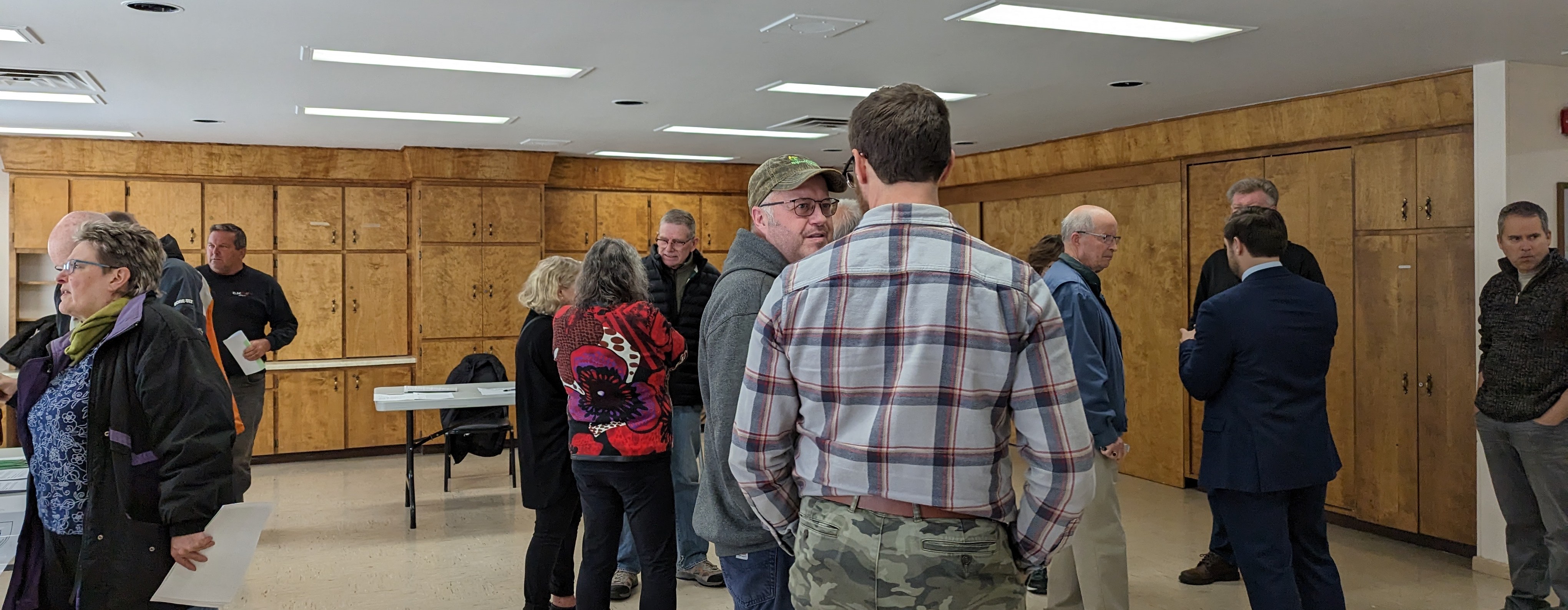
Dozens of people turned out Wednesday at the Kinburn CC to view the Official Plan map, sign a petition for better setbacks from wind turbines, and help butter tarts vanish! [Photo: Ottawa Wind Concerns]
April 28, 2023
Dozens of people from West Carleton-March and beyond turned out to an drop-in information event held in Kinburn by Ottawa Wind Concerns. The goal of the event was to help people understand the new Ottawa Official Plan and its designated areas for renewable energy projects, as the city is now working on zoning bylaws.
Ottawa Wind Concerns is promoting safe setback distances between industrial-scale wind turbines and homes, and has a petition requesting a 2-km setback, minimum, to property lines.
Information kits were available, plus large copies of the Official Plan maps for viewing.
The new Official Plan allows renewable energy projects on “Rural Countryside,” “Greenbelt,” and “environmental lands.”
Both West Carleton and Rideau-Jock wards have significant land areas branded “rural countryside” as well as prime agricultural land.
People attending were concerned about the environmental impacts should wind power projects be built and many recalled a proposal made 14 years ago that was extremely unpopular. It did not proceed but a large solar power project was built near Galetta. Questions were asked about the success and usefulness of that power project today.
“People are very well informed on the issue of environmental impacts of large-scale wind and solar power projects,” says Ottawa Wind Concerns president Jane Wilson, “and they’re asking questions about battery storage systems, too. It’s great to see people come out like this to get more information, and to participate the City’s engagement process on the new zoning bylaws.”
The trend is for greater setback distances now between wind turbines and homes, Wilson says. “Former energy minister Glenn Thibeault in the Wynne government admitted that mistakes were made in siting wind turbines years ago. We’re saying, we know a lot more about wind turbines now—let’s not make those mistakes again.”
Wind turbines are an industrial use of the land, Wilson adds.
Residents attending also spoke of concerns about wind turbines and effectiveness as a power source. “Ontario is just not a windy place,” said one. “Why are we doing this?”
Councillor Clarke Kelly dropped in and spoke with residents, and West Carleton Online editor/publisher Jake Davies spoke with people as they viewed the maps.
Other organizations with a pro-wind power view sent representatives to the event, including CAFES and the Ottawa Renewable Energy Cooperative (OREC), a group that invests in wind and solar power projects.
Free butter tarts were on offer from Sweet & Sassy Bakery in nearby Arnprior.
Wind turbines near Crysler, Ontario, 40 minutes south of Ottawa: protective bylaws needed [Photo: D. Larsen for Wind Concerns Ontario(C)]
April 22, 2023
“Earth Day”
A petition asking the City of Ottawa to develop new, protective bylaws that include a setback between industrial-scale or grid-scale wind turbines was launched at an event held in North Gower Last Thursday.
Dozens of people attended, coming from West Carleton, Carlsbad Springs, Navan, Greely, Richmond and North Gower to learn more about the City’s background documents for the new zoning bylaw process, and to see maps depicting where renewable energy projects—including wind turbines—could be located according to Ottawa’s new RuralMapOttawa.
People attending were concerned about the environmental impacts of large wind turbines including the introduction of noise and vibration (low frequency noise), the impacts on wildlife and aquifers, loss of land used to produce food, and the effect on property values.
Ward 21 Rideau-Jock councillor David Brown dropped in to hear resident concerns.
The petition asks for a 2-km setback which, as community group Ottawa Wind Concerns chair Jane Wilson explains, is in line with many countries in Europe and follows the trend in the United States to longer setback distances. “Just recently, a jurisdiction in Nebraska, which has plenty of experience with wind turbines, installed a setback of two miles,” she says.
The group consulted U.S. acoustics expert Robert Rand who said the setback distance was “a reasonable compromise.”
The City of Ottawa has acknowledged that there could be significant environmental impacts on rural residents should wind turbines be erected, and staff has said in public meetings and correspondence that they want to “do the right thing.”
Many people attending Thursday’s launch event said they were eager to see protective setbacks but they were not persuaded that the City should be open to expensive, intermittent wind power to support widespread electrification. The City’s $57-B Energy Evolution climate action plan proposes 3200 megawatts of wind power, which the report translates as 700 wind turbines.
Environmental impacts are high for little return with grid-scale wind turbines.
Another drop-in information event will be held in Kinburn at the Community Centre on April 26th between 5-7 PM. (Locally made butter tarts will be served again!)
Anyone wishing to sign the petition can download the document here petition-1
Signed copies can be picked up, just email ottawawindconcerns@gmail.com , or mailed to:
New zoning bylaws to be fast-tracked for 2023 in light of Ontario government’s current new power procurement plan
See the presentation of the power generation bylaw motion by Councillor David Brown beginning at minute 53
February 23, 2023
OTTAWA
Ottawa City Council voted unanimously yesterday to approve a motion put forward by Ward 21 Rideau-Jock councillor David Brown, and seconded by West Carleton-March councillor Clarke Kelly, to hold off granting municipal approval for any new power project proposals that may come forward as a result of provincial government procurement plans. The motion directs staff to tell proponents that municipal support will not be granted until review by a Standing Committee; the Motion further stipulates that developing zoning bylaws for new power generation installation should be done in the Planning department’s 2023 “Workbook” ahead of 2024-2025 for the new suite of bylaws as a whole.
The deadline for the Independent Electricity System Operator’s first phase of new procurement, for 1,500 megawatts of power, was last Thursday, February 16. The IESO plans another RFP to be launched this spring or summer, for an additional 2,500 megawatts of new power.
The motion passed yesterday stipulates that staff be directed to inform proponents of any new power generation projects: “staff will not bring such requests to Council unless such requests are considered through the relevant Standing Committee, it being understood that the Standing Committee will act in accordance with the timelines provided in the LT1 RFP, furthermore, that Hydro Ottawa and its affiliates, shall be entitled to obtain any Municipal Support Resolution required per the LT1 RFP (or other similar processes), via bilateral discussions with its sole shareholder, the City of Ottawa,”
and
“staff will bring forward an amendment to the City of Ottawa’s Zoning By-law that implements the intent of the policies in the Official Plan with respect to renewable energy generation facilities and storage by Q4 2023 that is in advance of the municipal Comprehensive Zoning By-law update“.
Ottawa saw only one submission in response to the most recent IESO Request for Proposals, a small Battery Energy Storage System proposed for Upper Dwyer Hill Road. Another, larger battery project is in development for the Cumberland area; the proponent is Brookfield’s Evolugen division. Both projects are supposed to have had public meetings to present project details; the Upper Dwyer Hill Road project meeting notice was only on the company’s website, and no members of the public attended the January 12th meeting.
Ottawa Wind Concerns made several presentations to city committees including the Agricultural and Rural Affairs Committee to warn that the IESO RFP was on the way, and that Ottawa needed to be ready with protective bylaws for large power generation projects such as wind turbines. Ontario’s regulations for noise levels and setbacks for noise and safety have not been changed since 2009, and are generally viewed as inadequate today.
The community group’s advice was rebuffed, however, with one rural councillor claiming in September that no such procurement was on the way. At that time, the IESO RFP process was in the final stages of “engagement.” The first RFP launched December 7, 2022.
Do wind turbines make noise? YES
Rural Ottawa has already experienced a proposal for a large wind power project when a proposal came forward under the Ontario government’s Feed-In Tariff program in 2009. It was for as many as eight 600-foot industrial wind turbines to be located in the North Gower area, to be built by Pro-Wind, a small company based in Germany. Residents rejected the proposal at the time, saying the power generating machines would be too close to homes and the village school. Residents signed a petition and presented it to City Hall; almost every property-owning resident of the North Gower area signed the document.
Interestingly, one of the proponent’s staff was interviewed by then radio host and journalist Mark Sutcliffe who asked, Do the wind turbines make noise?
“Of course they do,” said the project salesperson. “They’re power generators.”
Citizens of rural Ottawa are concerned that new power projects, no matter what the technology, will be located in rural areas. Noise pollution, vibration, loss of valuable farmland, risk to aquifers, and danger to wildlife are all important concerns.
We are trying to respond to community concerns, said Councillor David Brown, “That is really what this is all about.”
Ottawawindconcerns@gmail.com
The motion, revised prior to Council, is here:
Re / Objet : Clarifying the process of approving new energy projects and infrastructure under the Requests for Proposals from Independent Electricity System Operator
Moved by / Motion de: Councillor D. Brown
Seconded by / Appuyée par: Councillor C. Kelly
WHEREAS the Independent Electricity System Operator has released an Expedited Procurement Process to procure 1.5 gigawatts of electrical capacity by mid-decade and has been engaging with municipalities with respect to Requests for Proposals for a significant number of new projects for energy generation, storage, and infrastructure; and
WHEREAS the Expedited Procurement Process (the E-LT1 RFP) closing February 16, 2023 includes three (3) of thirteen (13) Rated Criteria Points for municipal council support resolutions; and
WHEREAS after February 16, 2023 the Independent Electricity System Operator is planning two more procurement phases totalling 2.8 gigawatts of capacity to be available mid decade; and
WHEREAS the Independent Electricity System Operator requires a Municipal Support Resolution from the municipal council no later than sixty (60) days after the eighteen (18) month anniversary of the Contract Date; and
WHEREAS some Independent Electricity System Operator resources participate in the Ontario electricity market without contracts; and
WHEREAS it is not clear that the inability for a project to receive a “Municipal Support Resolution” will necessarily lead to the revocation of a proponent’s contract; and
WHEREAS Ottawa must decrease its reliance on greenhouse gas-emitting sources of energy, including by increasing local renewable energy generation and battery storage, to achieve its greenhouse gas emission reduction targets; and
WHEREAS the City has received a request for a Municipal Support Resolution for a 5-megawatt/20-megawatt hour battery energy storage system using lithium-ion battery technology at 650 Upper Dwyer Hill Road, Ottawa that is expected to occupy approximately 0.3 acres (0.12 ha) of land, including all required setbacks and spacing; and
WHEREAS municipalities, namely through land use policies in the Official Plan and provisions in the Zoning By-law, set their own priorities with respect to where energy generation, storage, and infrastructure may be permitted; and
WHEREAS increased energy generation, storage, and infrastructure can have significant impacts on local residents that are worth due consideration by Council under a framework in the Zoning By-law that reflects the City’s Official Plan; and
WHEREAS staff will bring forward an amendment to the City of Ottawa’s Zoning By-law that implements the intent of the policies in the Official Plan with respect to renewable energy generation facilities and storage by Q4 2023 that is in advance of the municipal Comprehensive Zoning By-law update;
THEREFORE BE IT RESOLVED that the Mayor, on behalf of Council, write a letter to the President and Chief Executive Officer of the Independent Electricity System Operator to formally request confirmation that projects approved through the LT1 RFP and future procurements shall not proceed without a Municipal Support Resolution from municipal council in the form of an approved motion; and
BE IT FURTHER RESOLVED that staff be directed, in consultation with Hydro Ottawa, to come forward with recommendations in advance of the new Zoning By-law to help inform City Council plans for energy generation, storage and infrastructure as a deliverable project in the 2023 Planning, Real Estate and Economic Development Department Workplan; and
BE IT FURTHER RESOLVED that the appropriate Standing Committees evaluate current and future requests for Municipal Support Resolutions, informed by the recommendations referenced above until amendments have been made to Zoning By-law 2008-250 in Q4 2023; provided, however, that projects proposed by Hydro Ottawa and its affiliates shall be entitled to obtain such Municipal Support Resolution through bilateral discussions with its sole shareholder, the City of Ottawa; and
BE IT FURTHER RESOLVED that until such time as amendments have been made to Zoning By-law 2008-250 in Q4 2023, staff be directed to advise any proponents seeking a Municipal Support Resolution through the LT1 RFP that staff will not bring such requests to Council unless such requests are considered through the relevant Standing Committee, it being understood that the Standing Committee will act in accordance with the timelines provided in the LT1 RFP, furthermore, that Hydro Ottawa and its affiliates, shall be entitled to obtain any Municipal Support Resolution required per the LT1 RFP (or other similar processes), via bilateral discussions with its sole shareholder, the City of Ottawa.
BE IT FURTHER RESOLVED that a copy of this motion be sent to the Premier of Ontario, the Ontario Minister of Energy, and the Association of Municipalities of Ontario.
Current regulations inadequate to protect health, safety, Ottawa standing committee told today
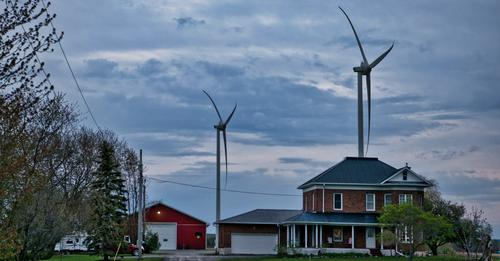
Turbines and home inside Nation Rise power project
MEDIA RELEASE PUT DISTANCE BETWEEN WIND TURBINES AND HOMES, COMMUNITY GROUP TELLS CITY OF OTTAWA April 7, 2022, Ottawa—
The only way to prevent or mitigate problems with industrial-scale or grid-scale wind turbines is to put distance between the huge, noise-emitting machines, community group Ottawa Wind Concerns told Ottawa’s Agricultural and Rural Affairs Committee (ARAC) today.
It is well known that the large, 60-storey wind turbines produce noise which can affect sleep and health; the machines can also pose a safety risk if located too close to roads, and a risk to wildlife such as birds and bats.
Ottawa Wind Concerns board member Mike Baggott of North Gower, asked that City Planning staff adopt a 2-kilometre setback between the power generating equipment and homes.
The recommendation is based on a recent statement by community group coalition Wind Concerns Ontario.
There are more than 2,000 wind turbines in Ontario presently, and the provincial government has more that 6,000 formal Incident Reports, documenting complaints about noise, many associated with health impacts.
Ottawa is currently engaged in developing new zoning bylaws following completion of the city’s new Official Plan. Ward 21 Councillor Scott Moffatt, a member of ARAC, said that there would be opportunity for rural residents to engage in the development of new bylaws to protect citizens, should wind power projects be proposed for Ottawa in the future.