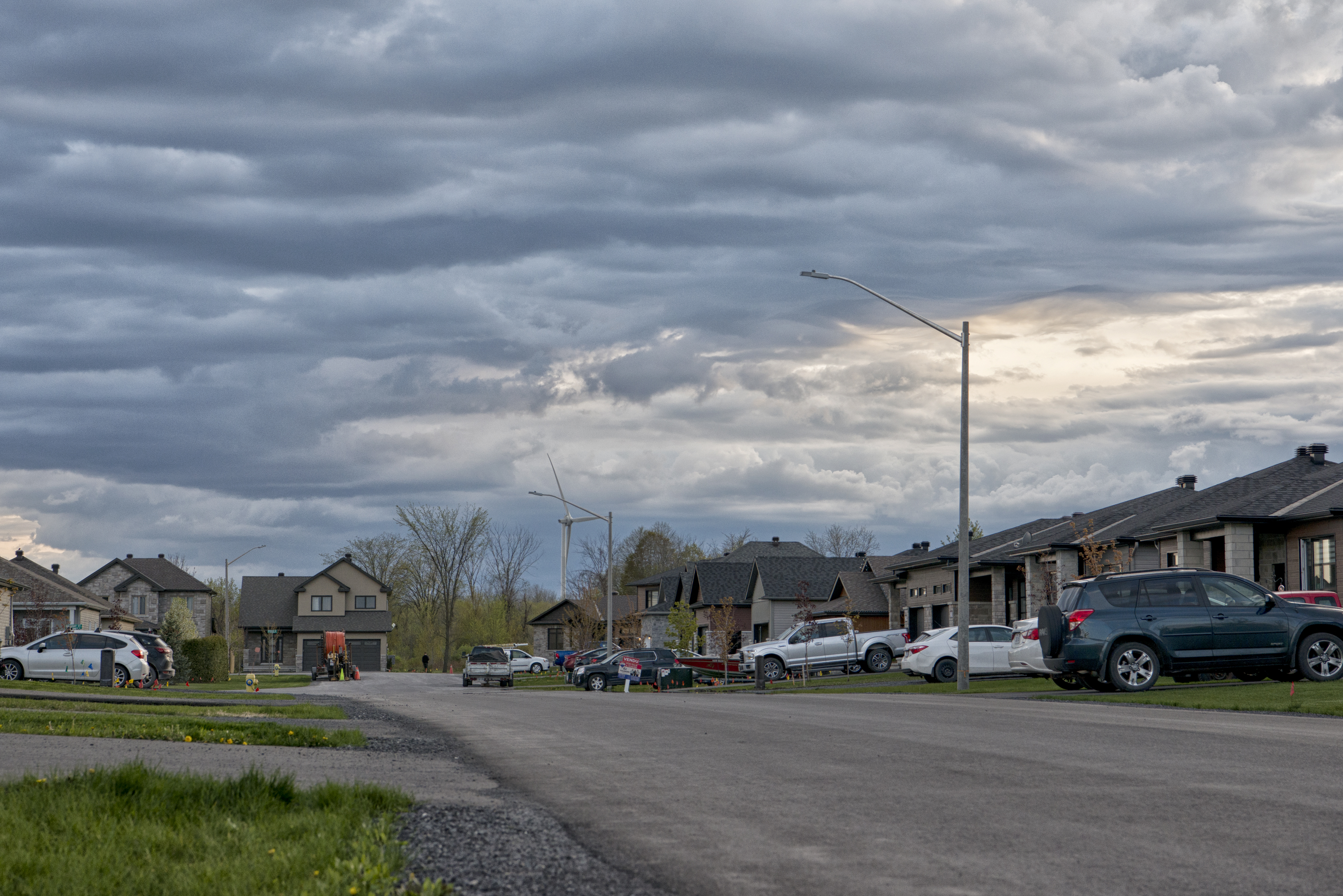
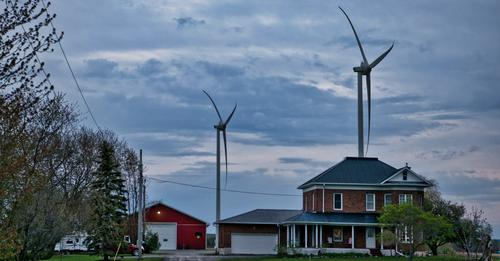
Rural Ottawa residents waiting to be “educated” by downtown Ottawa “environmental” group [Photo Pexels Canada]
April 2, 2026
Local “environmental” coalition CAFES or Community Associations for Environmental Sustainability and OREC, the Ottawa Renewable Energy Cooperative, are teaming up this year to “educate” Ottawa’s rural residents on the positive benefits of accepting renewable energy projects.
In its most recent email newsletter, CAFES announces “Thumbs Up for Renewable Energy” program which “will focus particularly on rural areas of Ottawa, where many projects may be proposed.”
The timing is linked to the next Independent Electricity System Operator (IESO) Request For Proposals, which may include large industrial wind power installations.
CAFES says it will host “workshops, site visits, community events, and accessible information resources, the project will help residents better understand the electricity system, engage in discussions about local energy project planning with proper safeguards, and position us to maximize local benefits.”
CAFES claims that Ontario needs a “more resilient grid” without mentioning that industrial-scale or grid-scale wind power projects actually destabilize the grid, require fossil-fuel backup, and in Ontario at least, are completely out of phase with demand. Last year saw weeks when there was no wind, and wind power in Ontario was dramatically below capacity.
Hardly “resilient.”
Although not a charity because of its political bent, CAFES nonetheless receives grants from unnamed sources.
Unaudited financial statements filed for the organization for 2024 show that CAFES received $86,848 in “grant revenue” and a further $28,799 from “donations and fundraising for a total of $138,055 in revenues that year.
As written in this space before, CAFES is all about saving trees and birds and frogs but at the same time quite OK with deforestation of landscapes and the use of productive farmland for wind turbines, which are an industrial land use.
Acknowledging that municipalities have an important role in renewable energy installations (the Ontario government made municipal support a mandatory requirement for successful project applications), CAFES also says their goal is to get projects approved faster and with fewer regulations: “CAFES will be advocating for a more enabling provincial regulatory environment for renewable energy and energy storage.”
In an Open Letter to CAFES written last year following their appearance at Ottawa’s Agricultural and Rural Affairs Committee (ARAC), Ottawa Wind Concerns criticized the group for their stance to reduce regulation and simply approve projects. CAFES had told ARAC that the City of Ottawa needed to “minimize delays” and simply approve renewable energy projects.
Translation: get out of the way and approve big projects.
No matter what citizen concerns exist for the environment, loss of farmland, and money spent on an unreliable, weather-dependent power source. Or that the energy minister himself, Stephen Lecce, has said renewables, i.e., industrial wind, are not the affordable reliable solution Ontario needs.
CAFES and its partner OREC that seeks investment in power projects certainly have the money to put on workshops and events (even free lunches as they did to promote battery storage) to promote their agenda, but we’ve already seen the enthusiasm rural communities will bring to opposing industrial projects in quiet rural areas. In Ontario, 159 municipalities are now Unwilling Hosts to new wind power project, a decision they made out of experience with industrial wind, not fear of the unknown.
The patronizing nature of this campaign to “educate” rural residents on their electricity system will not go unnoticed.
Concerns for environment, water supply with proposal for 250-megawatt battery storage system
Source: Stop West Carleton BESS
February 23, 2025
Ottawa Wind Concerns released a statement yesterday expressing support for the residents of West Carleton who are concerned about the potential negative impacts on the environment from a proposed large battery energy storage system or BESS, currently planned for the Marchurst Road area near Dunrobin. The power developer is Evolugen, a division of Brookfield Renewables.
“We share resident concerns about the proposal for a large Battery Energy Storage System on farmland in West Carleton,” said Ottawa Wind Concerns Chair Jane Wilson, in a letter sent to community group Stop West Carleton BESS, one of several opposing the project.
“Like large-scale industrial wind power sites that were forced on rural Ontario communities, the BESS raises concerns about negative impacts on the environment such as the risk of fire, and noise pollution.
“We echo the concerns of the local OFA in that even classes 4-6 of agricultural land have a role to play in food production and food security for the people of Ontario.
“The process for the BESS is the same as for wind and solar power installations which features limited public engagement, and the need for communities to approve this significant industrial land use with minimal details provided. “
The West Carleton residents are concerned about the potential for fire, due to multiple battery storage system fires around the world, including several in the U.S. A fire at the three-year-old Moss Landing battery facility in California, which resulted in toxic smoke and the evacuation of residents. The fire has reignited several times. There have been calls for more stringent safety rules for such installations.
In West Carleton, residents are concerned that in the event of a fire, the site would be far from City of Ottawa fire services, and first responders would be volunteer fire fighters, as is the case for most Ottawa rural communities. The chemicals used to fight a lithium battery fire could contaminate the aquifer, which would affect neighbouring farm properties.
Noise from the 250+ containers housing the batteries is another environmental concern.
Residents say they are not opposed necessarily to the battery storage technology, but are asking whether an industrial location close to services like fire would not be more appropriate for this industrial land use. They also note proximity of the site to area wetlands, some of which have been proposed for protection. (See illustration, above.)
The BESS is to be located on farmland currently used for hay, which is part of the food production cycle, says the local chapter of the Ontario Federation of Agriculture, which also supports the West Carleton resident concerns.
Argue also said Evolugen surveyors were on her farm last month without permission.
Kanata North councillor Cathy Curry told CTV News that there was already a battery storage facility in her ward and that it was operating without problems; however, there are no grid-scale BESS installations in Ottawa. Evolugen proposed another BESS near the Trail Road landfill on land zoned industrial with did get CIty of Ottawa support. The West Carleton project however, has a contract from the Independent Electricity System Operator or IESO to sell power, but it does not have the municipal support resolution which is mandatory for the project to proceed. (See IESO, Section 11 at https://www.ieso.ca/Sector-Participants/Resource-Acquisition-and-Contracts/Long-Term-2-RFP )
The battery storage operators (many of whom also operate wind and solar generation projects and are paid for their power, whether it is needed or not) buy power in times of surplus, store it, then sell it back to the grid operator. In theory, they sell the power at one price, buy it back at a lower price, then sell it again at a higher price when power is needed.
Does battery storage work?
One U.K. analyst says battery storage units don’t do what the promoters say they will. In a video titled “Exposing the battery storage con,” released recently, Paul Burgess says that batteries will provide only minutes of power when needed, as they can only use 60 percent of the power stored. In times of “wind drought” which can last more than a week, he says, the battery power stored will have run out immediately. “It is one hair on a camel’s back relative to what’s required,” he says. Battery storage would not be adequate and will cost billions.
Stop West Carleton BESS currently has the support of the Carleton Landowners, and the Ontario federation of Agriculture, and is one of at least four community groups. A petition to the CIty of Ottawa is available and is approaching 1,000 signatures.
For more information email stopwestcarletonBESS@gmail.com
Former Ward 5 Councillor Eli El Chantiry signs the Stop West Carleton BESS petition at a community “pop up” signing opportunity
Nobody can say for sure … but it’s “far too many” says the American Bird Conservancy
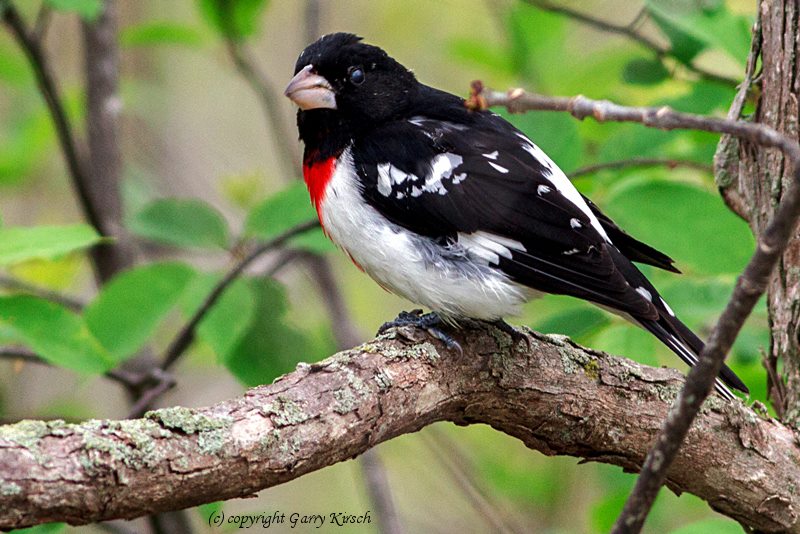
Raptors such as Red Tailed Hawks and eagles, critical to the eco-system, are killed by wind turbines (not cats)
Ottawa-based Community Association for Environmental Sustainability or CAFES, which describes itself as a “network of local environmental and climate leaders”, has undertaken a campaign against “climate misinformation.”
In a newsletter to followers this week, it has a list of topics it says are sources of misinformation, including “Wind turbines kill big numbers of birds and bats.”
“We don’t have to choose between wind energy and wildlife,” CAFES says. “We can have both.”
To support their claim they offer a number of research reports including —our favourite—an article that says keeping cats indoors will prevent bird deaths. Cats do kill birds, of course, and there are many factors behind the millions of birds killed in North America each year.
But wind turbines are not blameless, and the bird kill numbers are not insignificant. We offer this 2021 statement from the American Bird Conservancy:
“Countless studies have shown that climate change will cause far-reaching and devastating impacts to wildlife and humans alike. Renewable energy development is a critically important component of the transition away from fossil fuels, making our air cleaner and reversing the effects of climate change. Unfortunately, we have also learned that wind energy development has a substantial negative impact on birds.
“But just how many birds are killed by wind turbines?…
“Rather than going down the proverbial rabbit hole to decide which study might be the most accurate, let’s take the average of the results from these studies. This gives us an estimate of approximately 366,000 birds killed by wind turbines in the U.S. in 2012.
“It’s important to consider that wind energy capacity has grown considerably since then. The study by Loss and others reported that there were 44,577 turbines in operation in 2012, while the U.S. Wind Turbine Database indicates that there are 65,548 today — an increase of 47 percent. Adjusting for this industry growth, we can project that approximately 538,000 wind turbine-caused bird deaths occur in the U.S. each year.
“However, projecting mortality based on energy produced is more frequently used because it accounts for the size of turbines in addition to their numbers. The American Wind Energy Association reports that there were 60,067 megawatts (MW) of wind energy capacity in the U.S. in 2012, versus 111,808 as of this writing in 2021 — an 86-percent increase. Taking this change into account, it can be projected that approximately 681,000 birds are currently killed by wind turbines in the U.S. each year.
“These estimates likely underestimate the true extent of the problem due to the fact thatmany bird fatalities escape human detection.
“Consider that small songbirds are the most abundant birds in the U.S., and are the most frequently killed by turbines. A study published in March 2020 found that dogs located 1.6 and 2.7 times as many small bird fatalities as human monitors did at two wind sites in California. This was true even after attempting to correct for searcher detection error, which is a standard practice for such studies.
“The Erickson* study reported that 62.5 percent of the birds in their data set were small birds. Taking 62.5 percent of the 681,000 annual mortality estimate calculated above and adjusting this with the 1.6- and 2.7-fold multipliers from the dog search study (and adding the other 37.5 percent of birds back in), this would translate into a total of 936,000 and 1.4 million birds based on the numbers from the two sites. Averaging the two, this would suggest that 1.17 million birds are killed by wind turbines in the United Stateseach year.
Indirect effects
“In addition to the bird fatalities discussed above, wind power projects also cause important indirect effects that must be considered.
“For example, many wind facilities are located far from the existing power grid and require the construction of new powerlines, which are yet another source of bird mortality.
“In a 2014 study, researchers estimated that 25.5 million birds are killed each year due to collisions with powerlines, and another 5.6 million are killed by electrocutions. Therefore, powerlines built exclusively to connect new wind facilities to the existing energy grid result in additional bird mortalities that should be factored into the total toll in birds associated with wind energy development.
“Wind facilities also require relatively large areas of land. Facility development can fragment or otherwise alter habitat in ways that make it unsuitable for species that have historically been present. For example, a study at wind facilities in the Dakotas found displacement effects for seven of nine grassland bird species after one year. While these effects have been documented in various studies, they have yet to be broadly quantified.
“When the facts above are considered, it becomes clear that existing estimates of the toll of wind energy development on birds are narrowly considered and do not account for the industry’s full impact.
“It should be noted that the estimates above are imperfect, as they are based on studies derived from an incomplete data set.
“While most wind facilities are required to conduct bird surveys to inform project planning and post-construction bird mortality studies, they are unfortunately not always obligated to share their data, and many companies maintain a proprietary hold on this information. If these data were made publicly available, bird mortality could be better understood and conservation prescriptions could be tailored accordingly.
“On a similarly important note, the species being negatively affected by wind turbines must be considered. Some species are more susceptible than others to collisions with wind turbines, and some have slower rates of reproduction and thus their populations may be more dramatically affected by losses. Some of our rarest and most iconic species, including California Condors and Marbled Murrelets, fit this bill and are at risk of collisions with wind turbines. Others like Whooping Cranes are losing habitat as a result of wind energy development.
“As noted above, our projections leave little doubt that the annual toll in birds lost to U.S. wind turbines is at least more than half a million, and a similarly conservative estimate would put that number at nearly 700,000 birds. There is a case to be made that the number could exceed 1 million. And for multiple reasons stated above, these are all likely to be under-estimates.
Far too many
“Regardless of the specifics, this is far too many when one considers the many other threats to birds on the landscape, and the massive declines we have already seen in our bird populations.
“What’s the solution to this conundrum? How do we continue to add wind turbines to fight climate change when this development is harming birds? Our answer: Bird-Smart Wind Energy. Smart wind energy development starts with good data collection and appropriate siting to avoid high-risk areas for birds. Available measures can then be incorporated to further minimize risks, and impacts should always be offset by solid on-the-ground mitigation measures.”
So, siting is important, says the American Bird Conservancy.
But that’s not what CAFES says—they want wind turbines, period. And if you are concerned about bird deaths from industrial wind power sites in the Ottawa area you are guilty of spreading “misinformation.”
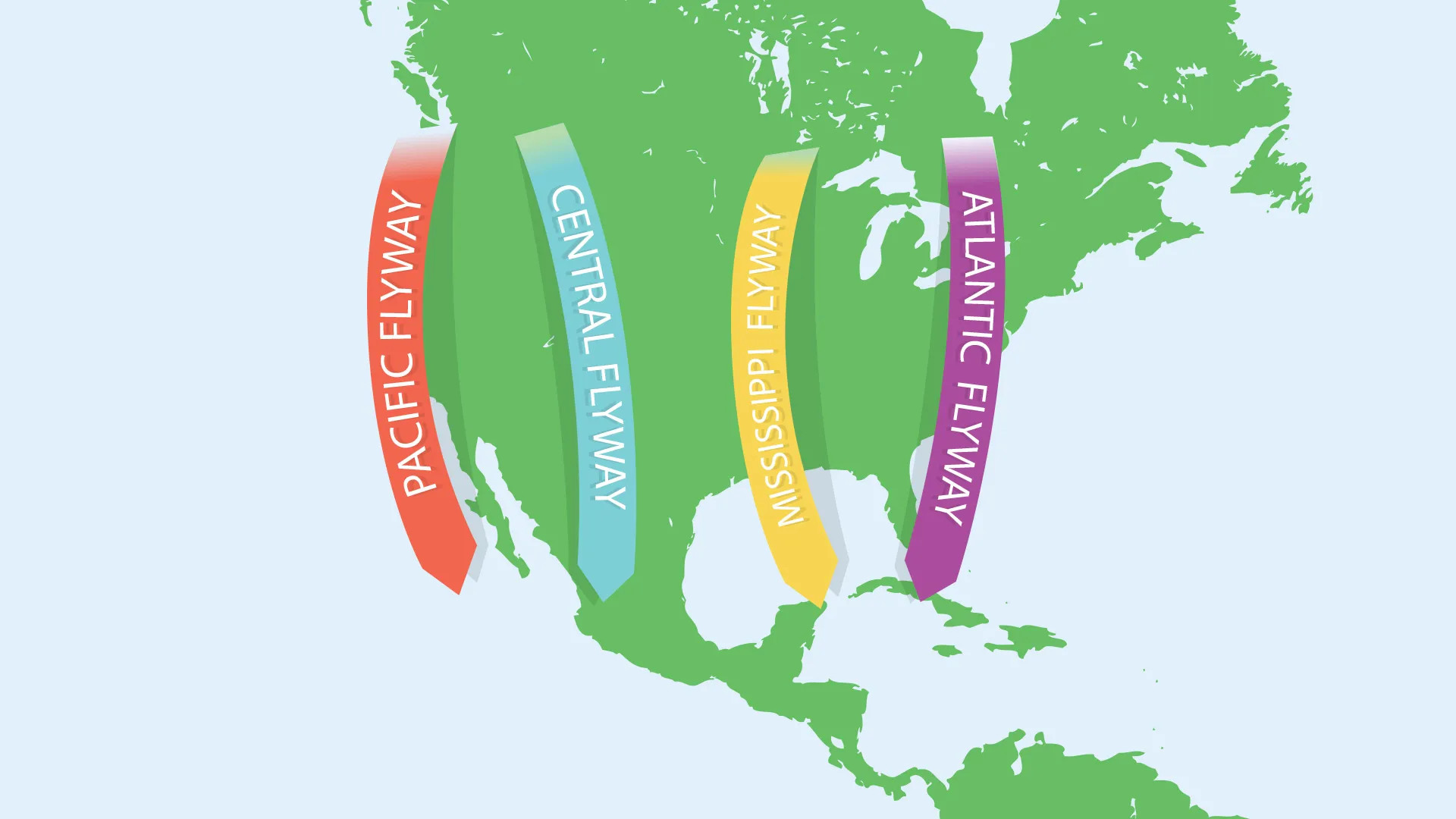
It’s worth noting here that the Ottawa area is on the Atlantic Flyway, a pathway for migrating birds.
Our question is, of course there are multiple causes for bird deaths, but why do you want to kill more?
In our view “environmental and climate leadership” would be looking for the best solutions, and doing a full risk-benefit analysis.
Huge wind turbines in a migratory bird pathway is not the answer for protecting the environment, or dealing with climate change.
*A Comprehensive Analysis of Small-Passerine Fatalities from Collision with Turbines at Wind Energy Facilities, by Wallace P. Erickson , Melissa M. Wolfe, Kimberly J. Bay, Douglas H. Johnson, Joelle L. Gehring, in PLOS ONE, 2014 https://doi.org/10.1371/journal.pone.0107491
Just “another form of farming” investor group claims, says it will bid in next IESO round
Industrial wind turbine just south of Ottawa: industrial land use
Following a web event held by the Independent Electricity System Operator or IESO a few weeks ago, Ottawa-based investor consortium Ottawa Renewable Energy Cooperative filed a comment in which it stated the group plans to bid for renewable energy projects, when the IESO releases its next Request For Proposals.
OREC already has invested in 24 renewable energy projects in Ontario, mostly solar, but also two small wind turbines, in the Kincardine and Bluewater areas of western Ontario (Huron County).
OREC’s comments to the IESO include the claim that it intends to bid for contracts. It acknowledges community opposition to some types of renewable energy development but claims it can avoid that by building smaller projects that will not attract opposition. The group correctly states that opposition to the Battery Energy Storage Systems or BESS was aided by the inability of developers to provide answers to citizen concerns.
OREC’s comments follow. Emphasis in italics is ours.
Concern 1: We previously noted a qualification bias in LT2 material in favour of indigenous engagement, including indigenous participation as co-proponents. We wish again to request that community-based investment entities such as OREC will be granted equivalency to indigenous participation in terms of rated criteria points as well as set-asides, particularly if such set-asides will be structured to incentivise partnership with indigenous communities. Our question is, “why not community groups too?”
Concern 2: Rural Ottawa is still reverberating from the process of approving large BESS contracts in LT1. Much negative feeling has grown since November 2023 when a plethora of Open House events were held in Ottawa’s rural areas and developers were not ready with adequate answers about appropriate project scale and risks to communities. OREC is monitoring continuing conversations among opponents and their municipal representatives, and we anticipate greater opposition to LT2 projects. OREC believes a development model involving multiple small projects on distribution lines, funded by community investors, will attract significant interest within municipalities. This approach will attract municipal councils to the benefits of local economic activity, and the virtuous loop of generating energy locally, thereby relying less on large energy sources from outside community boundaries. OREC believes that scaling generation and BESS units such as OREC is proposing, meaning smaller, more widely distributed locally owned projects will attract positive attitudes, especially within rural areas, to what is effectively another form of farming. OREC recommends to the IESO that future energy procurements accommodate smaller scale projects, particularly clusters of small projects that have commonality of ownership and regional proximity. Clustered projects on different but proximate distribution feeder lines could be considered as single projects. OREC further recommends that the IESO include rating criteria that reward developers who partner with community-based organizations, similar to indigenous engagement criteria.
Our comments:
Community support: OREC is requesting that community groups supposedly representing local residents should get the same consideration as Indigenous peoples. First, although OREC claims to be “local” its membership is unknown, and in fact the consortium actively reached out to residents in Huron County to invest, as well as Ottawa area residents. So, what is “local”? But more important, OREC misses the point of the IESO’s initiatives regarding Indigenous communities. The goal is to assist these communities with a “clean, reliable and affordable” energy, such as, for example, reducing communities’ reliance of diesel generators for power supply.
Community opposition: After acknowledging the problems of the BESS proposals in the fall of 2023 (a rushed process with little information available), OREC says it anticipates more community opposition. Instead of acknowledging citizen concerns about loss of farmland, industrialization of rural communities, and the significant environmental impact that industrial wind turbines can have, OREC says it has the answer — “multiple small projects.”
OREC has demonstrated grid illiteracy in the past and this is more of the same. Former energy minister Todd Smith commented in February of this year that the addition of renewables (wind and solar) under the McGuinty-Wynne governments created “a lot of instability” on the power grid. The answer, Minister Smith said, was to build a supply of “clean, reliable, baseload power” and the best way to do that was to use Canada’s proven nuclear technology to build large power sites.
Creating multiple small sources of intermittent power generation will not provide reliable power for Ottawa, and it may add to grid instability. That’s not good for anyone.
Citing a “virtuous loop” of local power generation, OREC seems to imply that cute little windmills operating in the area will be like locally grown food. It is not.
Local benefits: OREC claims there are “local benefits” to renewable energy projects. What are they? There are no jobs after the construction phase (and few of those unless you drive trucks), and few if any jobs afterward. Wind turbine maintenance and monitoring is done from remote centres, with a few highly trained technicians on the ground. As the president of Canadians for Nuclear Energy Dr Chris Keefer commented, There are no employee parking lots for wind farms. There are plenty of problems with wind turbines, which is why in Ontario there are currently 157 municipalities that have passed resolutions declaring themselves to be Unwilling Hosts to industrial wind power sites. Most of the Unwilling Hosts either have wind turbines already or are nearby jurisdictions that dothey know the problems, such as noise pollution, risk to wildlife, and irreversible damage to aquifers.
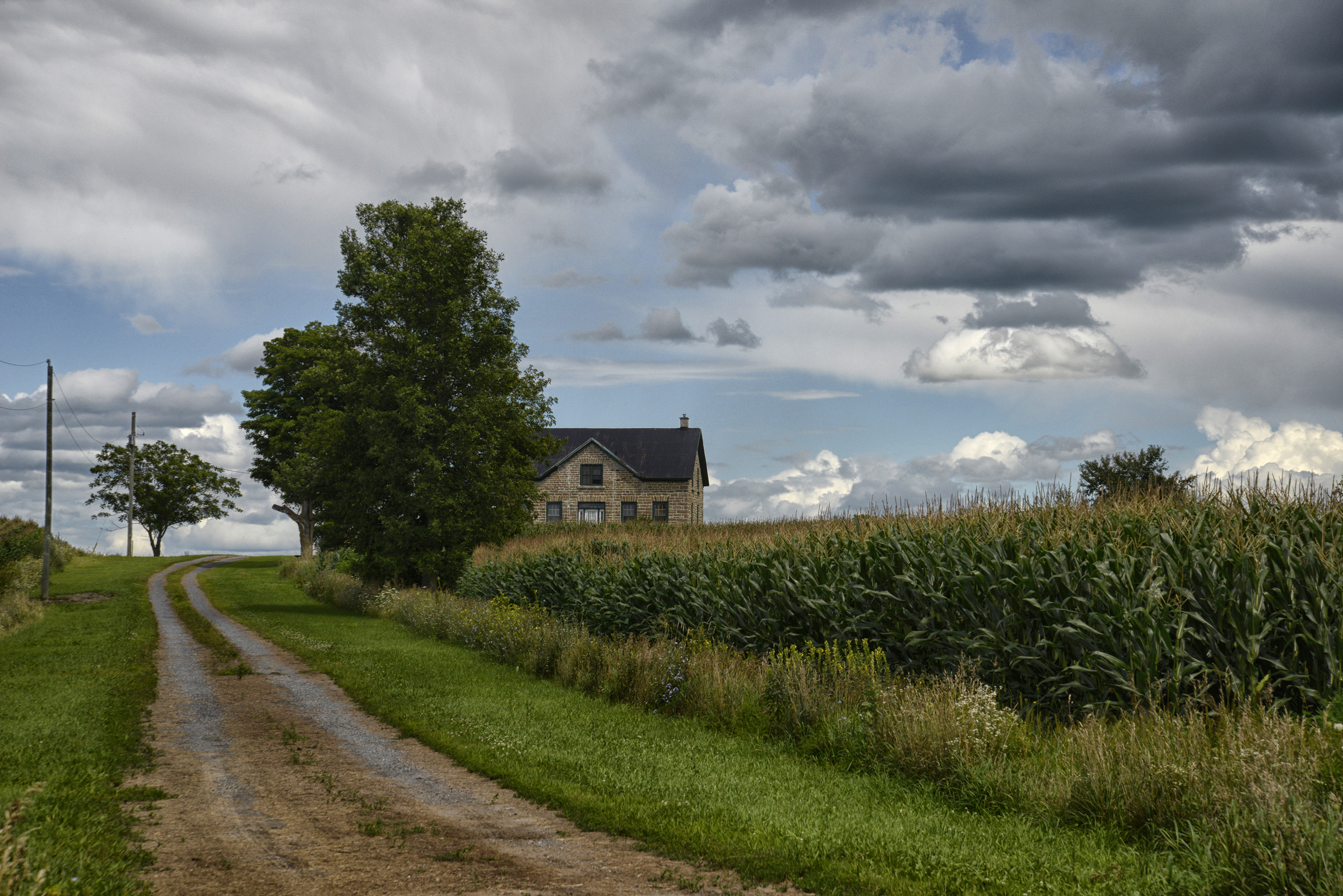
Farming: While possibly drawing analogies to local food production OREC purposely ignores a very big question about wind and solar power development—they use up a lot of land. Good land. Wind and solar are both “low density” forms of power generation because they require so much land for very little power generation. Ottawa’s Official Plan states that renewables cannot be sited on prime farmland, but in truth, all classes of farmland have value. This goes against the public’s wish to encourage local food production. OREC counters with the preposterous claim that operating industrial wind and solar power sites is ”another form of farming.” No, it isn’t. It’s industrialization.*
While OREC promotes itself as a “green” organization, interested in “sustainability,” the fact is, it is an investor group, interested in making money. They have shown little concern, even disdain for citizen concerns (see note below) about the environment and community well-being.
While OREC presents dreamy ideas about “local” power generation as if it were sweet corn, we are ready with the facts: wind power is ineffective, intermittent, unreliable, and expensive —it doesn’t make sense for Ottawa.
OTTAWA WIND CONCERNS
ottawawindconcerns@gmail.com
*OREC founder and Board member Dick Bakker spoke at an Ottawa IESO web event several years ago and when citizen concerns about the environment were raised, he angrily snapped that people who objected to industrialization of their communities were just “NIMBYs.” Industrialization. Acknowledged.
Nothing has changed, says Tom Allwood, Grey Highlands Councillor and Chair of Ontario’s Multi Municipal Energy Working Groups. Noise limits and setbacks are the same–unacceptable, say municipalities
May 14, 2024
CTV News London published a story last week on the 155 Ontario municipalities that have now passed formal resolutions designating themselves as “unwilling hosts” to new industrial wind power sites.
The list of Unwilling Hosts was compiled by Wind Concerns Ontario, a community group coalition concerned about the impacts of industrial wind turbines.
There are several Unwilling Hosts in the Ottawa area including Merrickville-Wolford, Champlain, The Nation in Prescott-Russell, Bonnechere Valley, East Hawkesbury, Greater Madawaska, and North Grenville (Kemptville).
CTV News published the news story featuring interviews with Tom Allwood, councillor for Grey Highlands and chair of the Multi Municipal Energy Working Group, and Jane Wilson, president of Wind Concerns Ontario and chair of Ottawa Wind Concerns.
Ontario is looking to add more renewable energy to its electricity supply, which will likely mean more wind turbines going up across the province.
However, that might be prove difficult with so many municipalities no longer interested in wind.
“I like to say it’s not 2009 anymore. We know a lot more about wind power than we did in 2009. It was supposed to bring lots of jobs. That turned out not to be true. It was going to be a reliable source of power. That turned out not to be true. It was supposed to be cheap power. Not true. Our electricity bills went up 250 per cent after the turbines went up,” said Jane Wilson, founder of Wind Concerns Ontario.
There are 155 Ontario municipalities that have said they are not willing to host wind turbine projects, now or in the future.
Among them, many municipalities in Huron, Bruce, and Grey Counties, where many of the province’s 2,600 turbines are currently spinning.
“The first iteration of wind turbines through the Green Energy Act just took away many siting decisions from municipalities, so that upset a lot of people,” said Grey Highland Coun. and Chair of the Multi Municipal Energy Working Group Tom Allwood.
Ontario’s Independent Electricity System Operator (IESO) has plans to add roughly 5,000 MW of wind, hydro, solar, and biomass energy by 2030. There’s currently 5,500 MW of wind turbines built in Ontario today.
“The federal government is certainly looking towards thousands of new wind turbines. Where are they going to go? The spots that have good wind have been taken,” said Allwood.
But not everyone is sour about the IESO’s renewable renewal. Wind energy is just what Ontario needs, said Jack Gibbons from Ontario’s Clean Air Alliance.
“If we integrate our wind and solar with Quebec’s storage option, then we can convert wind and solar into a firm 24/7 source of baseload electricity for Ontario,” he said.
However, Wilson believes wind energy, as it’s currently implemented, should not be of Ontario’s future energy mix.
“It’s intermittent. It comes in the fall and spring when we don’t really need it. It comes in the night, when we really don’t need it. There are some better choices and cleaner choices. Wind energy is not as clean and green as we were told it was,” said Wilson.
“They haven’t done anything with the setbacks for this round of procurement. They’ve gone out and arranged contracts for battery energy storage, and there’s real concerns about these systems as part of wind generation,” said Allwood.
IESO is seeking proposals for new renewable energy projects this fall.
Ottawa’s rural residents were concerned about proposals for huge battery storage installations. They didn’t get answers to their questions about risks and impacts—for that, they got called NIMBY [Photo: D. Larsen]
December 5, 2023
During the discussions about proposals for Battery Energy Storage Systems or BESS last week, it was disappointing to see the “NIMBY” insult being employed, especially by so-called environmentalists and community leaders.
One is a “Director of Emotional Health” for a community association, who thought it was perfectly healthy and supportive to brand her fellow West Carleton residents as “NIMBYs” just for expressing concern about the environment, health and the safety of cropland.
The NIMBY epithet was so prevalent in presentations to Ottawa’s Agricultural and Rural Affairs Committee (ARAC) that ARAC chair George Darouze said “We are not NIMBYs” and then went on with an elegant and important discussion of how rural residents are concerned about environmental impact for not just rural communities but for all of Ottawa.
He said rural residents were especially “sensitive” to environmental issues, which is why they had questions about the battery proposals.
Using the NIMBY insult says a lot about you
The term NIMBY is not just an insult to those who are concerned about a particular type of development, it also speaks volumes about the people who use it.
Environmental lawyer McRoberts:
To urban-based environmentalists, resistance to wind and solar farms is often seen as nothing more than Not in My Backyard attitudes (NIMBYism), and turbine opponent concerns are trivialised. … [M]any communities opposed to these projects have genuine concerns about impacts on environmental integrity, viewscapes, food production, and social fabric. … Moreover, the supposed “NIMBY syndrome” has been criticised by environmental justice scholars and others as an oversimplification of opposition that more accurately is based on a complex mix of factors including perceptions about a lack of procedural and distributive justice in approval processes. (McRobert, D., Tennent-Riddell, J. and Walker, C. (2016) Ontario’s Green Economy and Green Energy Act: Why a Well-Intentioned Law Is Mired in Controversy and Opposed by Rural Communities. Renewable Energy Law and Policy, 7, 99.)
So what were people who live in Ottawa’s rural wards worried about? Mainly environmental concerns, specifically from the risk of fire in a battery storage unit, and pollution from chemicals and water. They were also worried about noise and light pollution, and they had concerns about the proposed locations The battery storage installations would be an industrial land use, yet in many of the proposals were to be located near homes.
The risk of fire was not addressed satisfactorily by the proponents at the public meetings which, people felt, were rushed and held without wider notice.
The technology is new and there simply was not enough time to learn about it, or to get answers to very important questions about the risk of fire. At the ARAC meeting November 30, the leaders of
Ottawa Fire Services said that the fire risk is a concern for fire services across Ontario. The Ontario Fire Marshal will release a report but it is not available yet — nevertheless, residents and municipal governments were expected to grant support in spite of questions about that risk.
Battery storage: myth or solution?
What are the battery installations supposed to do, anyway?
Shirley Dolan, appearing at ARAC as a Director with the Ontario Landowners Association, said that there had been no cost-benefit analysis presented for any battery storage proposal. In short, she said, there was no rationale for the installations, no explanation of costs or other impacts, no details beyond basic claims that the batteries would provide power during outages, and no reasons given for the locations proposed.
The claim that the batteries are needed for power outages warrants examination.
If we lose power as the result of a storm, the usual cause is damage to electricity infrastructure such as downed power lines. That was confirmed by Hydro One’s CEO earlier this year. So, if we have power lines or other features such as transformers damaged and not functional, the power (maximum of FOUR HOURS, by the way, not days) still cannot reach our homes.
So, again: what is the benefit? Where is the cost-benefit analysis to support these proposals?
NIMBY? or objection to a flawed process?
People in communities where battery storage was proposed said they were interested in the concept of the technology, but were concerned about the process created by the IESO. There was little opportunity for public input, as the comments and questions from the public at the proponent meetings don’t go anywhere and are not recorded—no response is necessary from the proponent. As Mr. Darouze pointed out, the process was rushed and provided very little information to both the public and the municipal government, which was expected to evaluate the proposals and grant support.
He said, correctly, that the city’s own assessment process is far more rigorous for any type of development than is required by the IESO. That is not acceptable, many thought.
As McRoberts wrote, what might be branded as NIMBYism is a concern about justice in procedural and approval processes. Much has been written about the public engagement process for energy development in Ontario, and the conclusion is that it has been seriously flawed. Two Auditors General in Ontario said that any energy proposal ought to have a cost-benefit analysis done: this has never happened, and is still not being done.
“If conflict is to be minimized and decisions given greater legitimacy, the public must be involved in the process. Unfortunately, Ontario’s approach to building wind generators and other renewable energy projects has ignored this tenet. Instead of more public participation, there has been less. … The approach was designed in the conviction that Ontario’s citizens were not to be trusted, and that anyone opposing wind energy was simply in the grip of NIMBYism. … Policy-makers must realize that not all citizens are selfish NIMBYs.” (Stewart Fast, Policy Options, IRPP.org, 2017)
The way forward in my view is to provide the public and our elected representatives with all the facts we all need to make a responsible, informed decision. One Rideau Lakes resident told Ottawa Wind Concerns, “Last week, I never even heard of BESS. This week, I’m going to meetings and writing letters!” (The project there has been withdrawn in the face of public opposition.)
Battery storage technology on grid-scale is relatively new and already there have been problems. A worldwide database documenting battery fires and failures lists more than 80 events so far. Battery storage developers say there is low risk, but not no risk.
Ottawa Fire Services told ARAC that there is no option but to let a battery fire burn while working to keep other equipment cool and to keep the fire from spreading.
Meanwhile, the emissions from battery fires include carbon monoxide, hydrogen fluoride, hydrogen chloride, and corrosive nitrogen dioxide. But to the “environmentalists”, their citizen neighbours and fellow rural residents who are concerned about these emissions are NIMBYs?
We ask, if the people and organizations who claim to want to help with climate change and protect the environment do NOT support protection of health, safety, and sanctity of the ecosystem, what IS their agenda?
West Carleton Ward 5 Councillor Clarke Kelly has published his ward newsletter with a reasonable, well thought out comment on the Battery Energy Storage System (BESS) proposals now before the City of Ottawa.
An excerpt:
Battery Energy Storage Systems (BESS)
There has been much talk in our community about Battery Energy Storage Systems, commonly called BESS. Over the last several weeks, I have been made aware of 3 different proposals situated in Ward 5 being brought forward to the IESO for consideration. As I have mentioned in previous statements, I am not opposed to the use of this technology. In fact, I believe that electricity storage will be vital in strengthening our power grid and essential to diversifying our energy sources through renewable energy sources. Last spring, I brought forward a motion that passed and did provide municipal support for a BESS system in our ward. However, the size of that proposed system was very small, being placed at a site that already had a small solar farm, no trees were being cut down, the proponent held multiple public meetings, and no concerns were raised amongst residents in the area. Given its minimal size, the good consultation work undertaken by the applicant, and the lack of public concern, I thought it was an excellent opportunity to see how these systems work and gauge the risks on a small scale.
The applications we are currently looking at are due in early December, yet the applicants waited until the last several weeks to engage with the public. One of the applicants has not held a public meeting or had any communication with my office, so they certainly are not getting my support. The result of these poor consultation decisions is that we are basically out of time to address the numerous and legitimate concerns in a real and meaningful way. At recent meetings, the community had some basic questions around fire safety, direct benefits to the community, the effect on wildlife and wetlands on or around the property in question, and end of life plans for the units. I don’t believe the answers provided had the level of detail, clarity, or certainty required to gain public support and put concerns at ease.
As I have stated, I am not fundamentally opposed to these systems and think the idea of storing power overnight when demand is low and using it during peak demand instead of selling it to the US at a loss is a good idea. But, I also place a lot of value on public consultation and respect for the community in which these companies wish to operate, and given that this technology is relatively new and that there have been serious documented challenges with these projects around the world, my expectation would be that consultation would be meaningful and respectful. In one case, the application hasn’t bothered at all, and in the other two, they clearly missed the mark when it comes to engaging the community and ensuring their concerns are addressed.
I really would like to support one of these projects as I believe in the idea and see the need. I also believe these companies should have come to the table six months ago to be able to answer questions in a detailed fashion and be prepared to present the necessary information and solutions ready to put in place. Many of these groups had not engaged with the Ottawa Fire Services before presenting to the public, and fire is a genuine concern with this technology. They also were astoundingly unable to explain to the community what they were getting in return for having this in their neighborhood or even how the tax uplift would work, given that the site would be taking up only a portion of privately held land. To put it bluntly, all three applicants were unprepared to address the concerns and questions of the community, which gives the sense that public consultation as an aspect of these projects is just a box to tick as part of their standard process. That’s not good enough for the people of West Carleton-March, and any company wishing to get our community’s support, or support from me as Councillor in the future, will come to the community much earlier and much more prepared; otherwise, they can expect the same response.
Not all of the feedback I have gotten about these systems has been negative, and I will soon be meeting with a group of people in our ward who support these systems. I look forward to that and future conversations with the community on how and where we can make these work. I will be supporting a Municipal Support Resolution for a BESS system close to the Trail Road Landfill Site in Ward 21, as will the ward councillor. Residents in that ward feel that it is an appropriate place for a system such as this, particularly in the early days of this technology when comprehensive solutions to the challenges they pose are still being refined and perfected.
So the Councillor is saying, the community has not been given enough time to evaluate the benefits and risks of these projects, and that while we might want to support them, we are simply now “out of time.” Note too that the Councillor echoes the advice we posted earlier this week, when economist Robert Lyman said Ontario needs to pilot a few battery storage projects to see how well they work, how much they cost, and how we can manage any risks associated with them.
And whether it will work. The Ottawa area has four active Battery Energy Storage proposals. But nobody knows whether BESS will do what the proponents say it will
November 14, 2023
The idea of Battery Energy Storage Systems or BESS has hit so fast, people don’t know what to make of it…and that’s the problem for proponents. (Most of whom are current and former wind power developers.)
There simply are not enough details about these projects from the technology used, to the risk of fire and other environmental hazards, noise, and impact on communities. That’s what proponents are hearing at the mandatory “community engagement” meetings held in rural Ottawa.
A big question is the cost, and whether these multi-million-dollar projects will be worth the price to Ontario’s electricity consumers. Proponents are currently vying for contracts with the Ontario Independent Electricity System Operator or IESO. Submissions are due December 12.
When wind and solar were being marketed as the solution to climate change, two Ontario Auditors General recommended to the McGuinty-Wynne governments that cost-benefit analyses should be done.
But it never was.
And now, here we go again.
Ottawa energy economist Robert Lyman says figures from the U.S. show that battery storage will be expensive, no question.
How much?
And at the moment, batteries can only provide power for a few hours at most. So, do they even work?
Here’s his comment:
Any plan to power an electrical grid with wind and solar generation and to eliminate the backup security of supply provided by fossil fuels like coal and natural gas must address the cost and feasibility of the battery storage needed.
The only battery storage technology that is widely available for grid scale storage is lithium-ion. The US federal government’s National Renewable Energy Laboratory produces periodic reports on the current and projected costs of utility-scale batteries of the lithium-ion type. The most recent edition, from June 2021, gives the current average cost as approximately US $350 per kilowatt-hour. It projects declining costs over time, but those projections are speculative and do not recognize the actual trends in recent battery costs. For example, in 2020-2021, the average costs for lithium ion battery installations in New York state was US$464/kwh and in 2022, the price for contracts actually awarded increased to US$567/kwh.
Storage is extremely expensive and if generally used will drive up electricity costs significantly. They are by far the largest part of the costs of an electricity system that relies upon wind and solar generation for essential supplies. They also give rise to the need for much more transmission facilities, which also adds to the costs, although these costs are rarely if ever made public in advance.
Lithium-ion batteries provide backup capacity for relatively short periods, usually measured in hours. However, variations in the demand for and supply of electricity due to weather or other events can occur over periods of days, weeks or even whole seasons. Lithium-ion batteries are incapable of providing such service yet, “long duration” battery technologies do not yet exist and are still at the research or pilot project stage.
The system-wide addition of lithium-ion batteries could increase electricity bills by up to 20 times depending on how much storage is needed. Research on possible long-duration batteries is at the earliest stages, and nobody has any idea what, if any, technology might work or how much it might cost.
Before the province of Ontario starts building several battery-storage plants, it might be a good idea to build one pilot to find out if the darn thing works and is affordable.
City “engagement page” has low sign-up rate for updates on new zoning bylaws for renewable energy projects, despite important issues involved
New regulations will determine setback distances between power generation and homes, for example. [Turbines at Nation Rise project, south of Ottawa.]
September 21, 2023
The City of Ottawa decided to allow for the construction of new power projects to provide “renewable energy” in its new Official Plan. And the next step, is to create new zoning bylaws for that kind of development. The bylaws will provide regulations for things like noise, for example, or setbacks between power projects and homes for safety and health.
The City has an “engagement” page where people can follow along with information and activities on a variety of projects. For the renewable energy file however, as of this morning, there were only SEVEN people subscribed to get email updates.
Seven.
7.
That is strange considering “renewable energy” could mean grid-scale wind turbines which do produce environmental noise, and do present risks such as ice throw from the giant blades, and killing of wildlife such as birds and bats. Construction/operation has been known to disturb aquifers or the groundwater, affecting the water supply for people on wells.
All that is really important and you’d think more people would be interested.
By this afternoon, more than 50 people had subscribed once we emailed people on our list, but still, more people should sign up.
The new bylaws are due out any moment now: staff told the Agricultural and Rural Affairs Committee back in June that draft bylaws might be ready by August or September. August is gone and September is almost gone too.
Why not sign up today, and keep informed on the City’s work on these bylaws. They will affect everyone, especially rural residents where such power generation projects are likely to be located.
Turbine blades at Johnstown, destined for Nation Rise power project: land use conflicts a concern (The little white thing in the left corner is a truck, for scale)
August 9, 2023
The Province of Alberta announced a moratorium on approvals for wind and solar power generation facilities recently, citing concerns about the environment and land use conflicts.
Almost immediately, the wind and solar lobbyist, the Canadian Renewable Energy Association, came out with a comment that the move was a “mistake.“
Of course it is… for the wind and solar developers. It is curious indeed that while the main marketing ploy for the purveyors of expensive, intermittent and unreliable power is to help tackle climate change and save the environment, when people say they have concerns about industrialization by wind power on the environment, the lobbyist denies concerns.
Well, OK, they didn’t exactly: what they said instead was, the moratorium would undermine “investor confidence.” In other words, the whole wind power gambit could be revealed for what it is: a money-making strategy that will have little or no effect on climate change or the environment.
And citizens in Alberta are not buying the hype.
In an article today in the Edmonton Journal, Alberta residents are describing the fast pace to wind power development as a “Gold Rush”, and they are concerned about the impact of industrial wind power projects on the environment, and electricity bills.
Unlike the wind power rush in Ontario in 2009, when nobody knew anything about the potential impact of sky-high noisy wind turbines, the people in Alberta know exactly what’s coming. “Rural residents have been down this polluted path before,” said one.
“It’s no surprise that country folks are buzzing just now with anxiety, anger and unanswered questions about the boom in solar and wind farms near their homes,” says the Edmonton Journal.
A particular concern for rural Albertans is, what happens when nobody has any use for the power generation structures? Who will take the things down and return the land to its former state?
That’s an issue that has yet to be resolved in Ontario, too.
So while the lobbyist and the developers and the faux environmentalist organizations cry about the fact a government is slowing things down, once again, it’s the people who know the truth: nobody wants to live near a wind turbine.
And they don’t want to pay through the nose for the intermittent power, either.
Ottawa’s rural residents should watch this closely, as we wait for the City to come up with new zoning bylaws for renewable power projects, which may be released in draft form this month or next. It’s important that governments acknowledge all the facts about wind power in particular, and do proper analysis of all the benefits and impacts.










 Ottawa Wind Concerns