Ottawa Wind Concerns has already recommended a setback distance of 2 km between wind turbine zones and residential areas. Acoustician Robert Rand, quoted above, says the 2-km setback is a “reasonable compromise.”
“It isn’t hard to design facilities to be good acoustic neighbours,” Rand says.
Interestingly, the detailed discussion of “pollution” occurs not in the paper on public health but in the Equity paper. We noted:
While this area of the paper focuses on traffic and pollution, the city policy of promoting power generation from “renewable” sources such as wind and solar also represents a risk of pollution, specifically noise pollution. There are many documents supporting this including the Health Canada wind turbine noise study, and the Council of Canadian Academies report, “Understanding the evidence”.
Canadian researchers examined the public health approach to wind turbine noise and concluded:
“Based on our analysis of clinical, biological, and experimental evidence and its concordance with the nine BH criteria, we conclude that there is a high probability that emissions from IWTs, including infrasound and LFN, result in serious harm to health in susceptible individuals living and/or working in their proximity. These effects can be attributed to IWTrelated events such as recurring sleep disturbance, anxiety and stress, and likely others.”
They called upon public health authorities to take a precautionary approach to preventing adverse health effects, and act now:
“With the growing weight of evidence indicating this causation and the rapid proliferation of IWT installations globally, preventative actions should be taken, and policies implemented that are more cautiously protective of public health, safety, and welfare rather than wait for absolute certainty. … Our findings provide compelling evidence that there is a pressing need for risk assessment before deployment of IWT into rural community settings that consider more effective and precautionary setback distances. A margin of safety sufficient to prevent pathogenic LFN from being detected by the human vestibular system is paramount before proceeding with political or economic policies.”
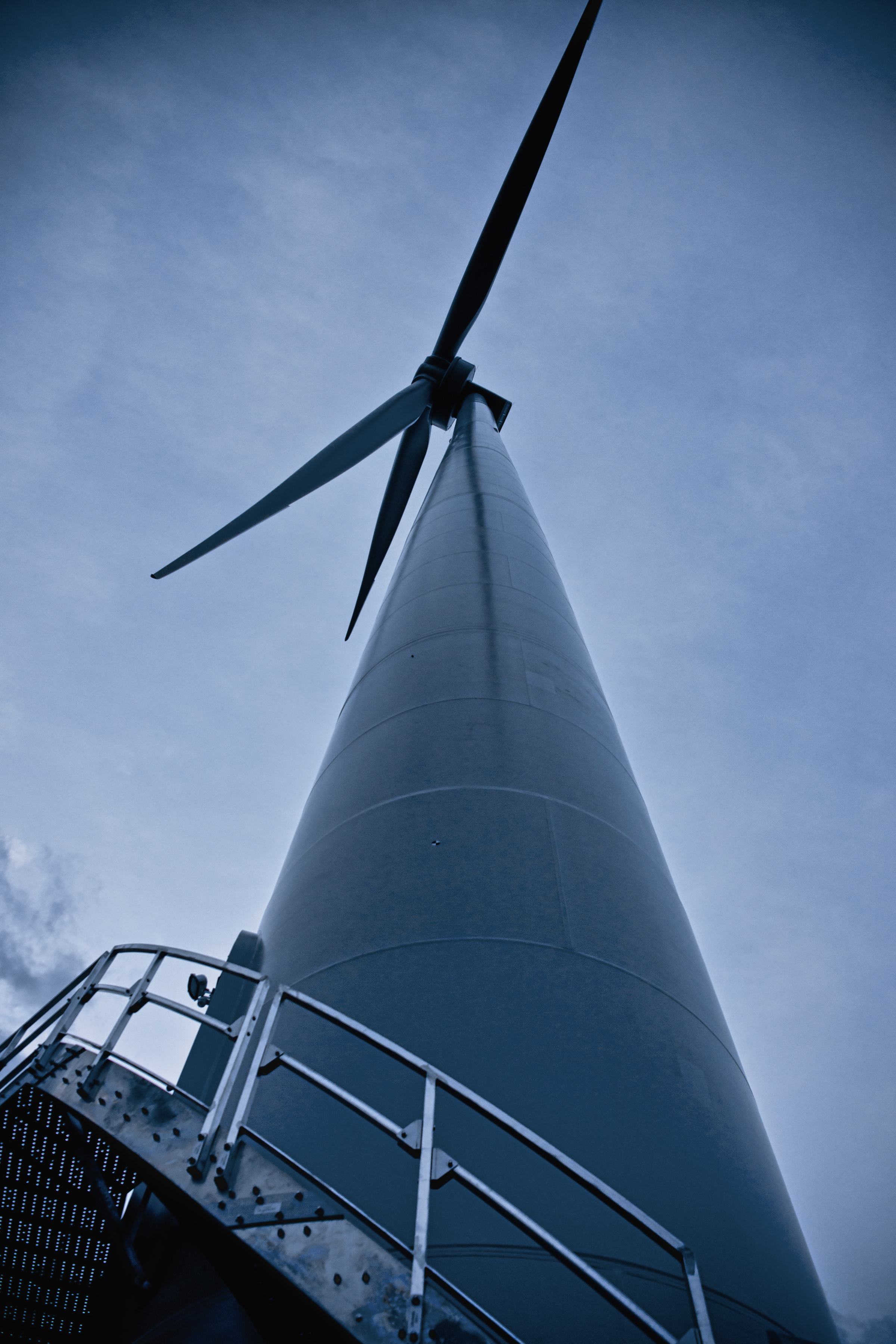
While the introduction of noise to the environment is a serious and likely impact, one that will affect public health, there is another issue: safety. Grid-scale wind turbines operate under enormous stresses; around the world the number of “catastrophic failures” of wind turbines is rising. Some blame poor workmanship, or too speedy installation—whatever the cause, it will be important to have setbacks that ensure safety for people on public lands and roadways. The current setbacks, established in 2009, are not adequate.
Another Discussion Paper is devoted to Land Use Strategy. Our comment:
Our only comment here is that among the land uses listed on page 1, under “Industrial land uses”, power generation is not mentioned. When the city is planning massive power generation development as per Energy Evolution (page 45), such as 36 sq km of solar panels, 3200 megawatts or 700+ wind turbines (each turbine requiring as much as 5 acres of land), and 122 shipping container-sized battery storage systems, that is a significant industrial land use.



 Ottawa Wind Concerns